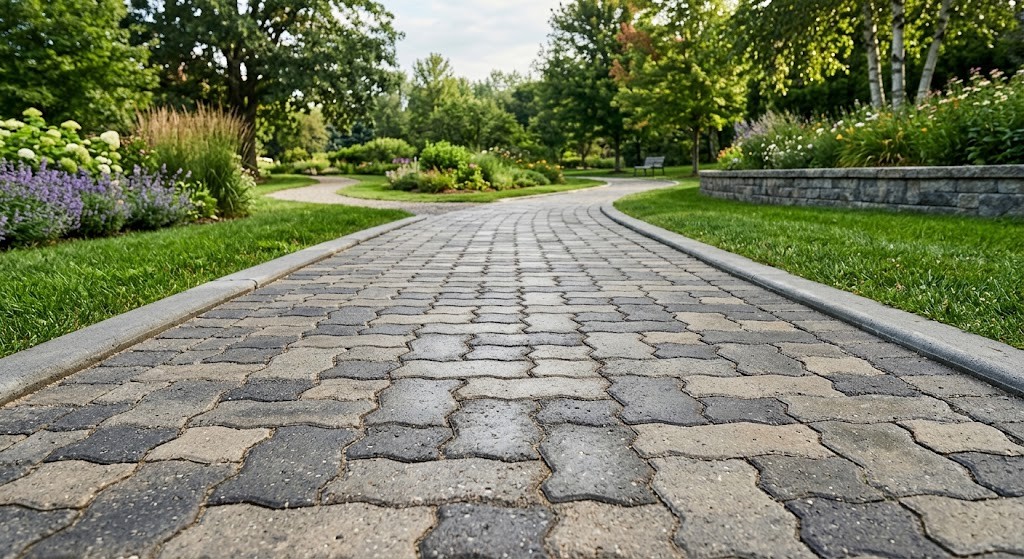



Stronger Designs Start with Quality Interlock Molds

Interlocking paving systems have become one of the most popular solutions for creating strong, visually appealing outdoor surfaces. From driveways to public plazas and garden paths, interlock patterns bring both structural stability and design versatility. Yet, the core of every successful interlock project—whether done by homeowners or industrial producers—lies in the quality of the molds used to create the stones. Without strong, precise, and long-lasting interlock molds, even the most ambitious paving design can fall short.
Many people wonder whether the quality of a mold really affects the long-term durability of interlocking stones. The answer is absolutely yes. High-quality molds ensure accuracy in shape, consistent depth, crisp edges, and uniform density across every stone. Since interlocking systems depend on geometric stability and perfect alignment, precision becomes essential. A pave stone that is even slightly misshapen can disrupt the pattern, cause uneven load distribution, and weaken the surface structure over time.
Interlock molds also influence production efficiency. Whether used in a small workshop or a large manufacturing facility, molds that resist deformation and withstand repetitive use reduce waste, improve curing quality, and ensure that each batch meets the expected standard. For designers seeking clean lines and technicians aiming for consistent strength, quality molds are the silent force behind the results.
Understanding the Role of Mold Quality in Interlock Strength
Interlocking systems rely on the way individual stones fit together to create surface stability. Unlike traditional stones that depend primarily on weight, interlock stones gain strength through shape. This makes mold quality essential, because each unit must match perfectly with the next.
Precision as the Heart of Structural Stability
Interlock stones transfer load across the pattern, relying on the accuracy of shape. Even minor inconsistencies—like uneven edges, small distortions, or imperfections in depth—can weaken the mechanism that makes interlock systems strong. When molds produce stones with consistent geometry, the overall surface distributes weight evenly, preventing shifting, cracking, or premature wear.
Users often ask whether machines or pressure alone determine the stone’s strength. While production systems certainly matter, the mold’s precision creates the foundation. Without clean connections, no amount of compaction can guarantee structural uniformity. Quality molds eliminate unwanted irregularities and establish a dependable geometric framework.
Material Strength Begins With Mold Consistency
Another question that arises frequently is whether a high-quality concrete mixture can compensate for a low-quality mold. While mixture strength is important, inconsistent molds create structural vulnerabilities that no mixture can fully correct. Proper mold design ensures even curing, balanced compaction, and uniform stress distribution. This leads to stones that resist cracking, chipping, and moisture intrusion—all factors that impact long-term durability.
High-quality molds also enable better consolidation of material. Sharp corners, even surfaces, and smooth interior walls help mixtures settle properly, reducing air pockets and internal weaknesses.
Edge Definition and Its Impact on Design
Interlock patterns rely on clean edges to create tight joints. When edges are rounded or imprecise, stones fail to lock together firmly. This can lead to a looser structure, increased movement, and aesthetic issues such as uneven spacing.
Many homeowners wonder why their interlock patterns shift over time. Often the cause is not installation error—it’s the stones. Molds that produce sharp, defined edges maintain alignment and help patterns stay tightly connected as temperature changes or loads shift throughout the seasons.
How Quality Interlock Molds Improve Design Potential
Strong designs rely on both the stability and aesthetics of the stones. Quality molds enhance both, giving designers and producers greater creative freedom.
Expanding Pattern Possibilities
When molds deliver consistent dimensions, designers can experiment with more intricate layouts without worrying about alignment issues. Herringbone, basketweave, zigzag, and modular combinations all rely on clean geometry.
A common question from new installers is whether complex patterns require specialized stones. In most cases, the answer is no. The same interlock shapes can support a variety of patterns—provided the stones are uniform. Quality molds allow for pattern flexibility because they ensure each stone matches perfectly with the next.
Achieving Clean Lines for Modern Aesthetics
Modern landscaping trends lean toward crisp lines, geometric clarity, and minimalist surfaces. Interlock stones produced with low-quality molds may create irregular lines or inconsistent gaps, undermining the design. High-quality molds produce stones with consistent edge profiles, allowing installers to lay pathways, patios, and driveways with clean visual flow.
This becomes especially important when projects combine multiple stone colors or textures. Misalignment becomes more noticeable when colors contrast. Therefore, mold precision directly affects design appeal.
Supporting Unique Textures and Surface Finishes
Many advanced interlock molds allow producers to create stones with special surface textures—slate effects, brushed finishes, fine grain surfaces, and more. These textures enhance the visual richness of the final project.
Users often wonder whether textured molds reduce strength. When manufactured from quality materials and designed correctly, textured molds maintain structural integrity while providing decorative benefits. In fact, the added surface detail can improve grip, making them ideal for driveways, pool areas, and public walkways.
What Sets High-Quality Interlock Molds Apart
Not all molds are created equal. While low-cost molds may appear appealing at first, they often fail to meet long-term performance expectations.
Durable Polymer Construction
High-quality interlock molds typically use reinforced polymer blends designed to resist cracking, warping, and fatigue. These materials withstand repeated pressure cycles without deforming.
A common question is whether silicone or plastic molds offer the same durability. Silicone molds are good for decorative pieces but not ideal for the repeated compression required in interlock production. Quality polymer molds are engineered for strength, allowing them to maintain shape even under industrial vibration or compression systems.
Reinforced Corners and Structural Stability
Interlock stones depend heavily on their corners for proper locking. Molds that weaken at the corners produce imperfect stones. Quality molds integrate reinforced corners that maintain shape and prevent soft edges.
Smooth Interior Walls
Smooth interior walls reduce friction and help mixtures settle evenly. They also simplify the release process, reducing the chance of damaging the stone. Producers often notice fewer defects and more consistent curing when using molds with optimized wall textures.
Heat and Pressure Resistance
Concrete curing produces heat, and production processes apply pressure. Molds must resist both without warping. Quality molds are tested against temperature stress and pressure cycles, ensuring longevity and consistent performance.
Using Interlock Molds Effectively for Best Results
Even the best molds rely on correct usage. Production technique, mixture quality, and curing conditions all influence the final result.
Proper Mixture Ratios
Interlock stones require balanced mixtures—typically a combination of cement, sand, aggregate, and water. A mixture that is too wet may create weak edges, while a dry mixture may fail to fill mold corners.
Users often ask whether additives improve durability. Yes—plasticizers, hardeners, and fiber reinforcements can enhance density, reduce cracking, and improve long-term performance.
Level Filling and Vibration
Molds must be filled evenly to ensure dimensional consistency. Controlled vibration removes air pockets, improves compaction, and strengthens the stone.
Professionals often emphasize that uneven vibration leads to weak zones. Quality molds paired with proper vibration techniques ensure every part of the stone receives balanced compression.
Controlled Curing
Rushing the curing process weakens the stone’s structure. Allowing stones to cure gradually supports long-term durability. Shaded environments and proper moisture control reduce surface cracking and preserve edge integrity.
Why Stronger Designs Always Begin with Quality Molds
Interlock projects demand a perfect balance between aesthetics and engineering. Whether used for decorative garden paths or heavy-duty driveways, the strength of an interlocking system begins with the molds that shape each stone. Quality interlock molds ensure precision, enhance durability, elevate pattern possibilities, and support consistent production across batches. For builders, landscapers, and manufacturers aiming to create surfaces that stand the test of time, investing in high-quality molds becomes the first and most important step toward stronger designs.