



Production Pallets

NBM 7042 Block and Interlocking Paver Machine Production Pallet
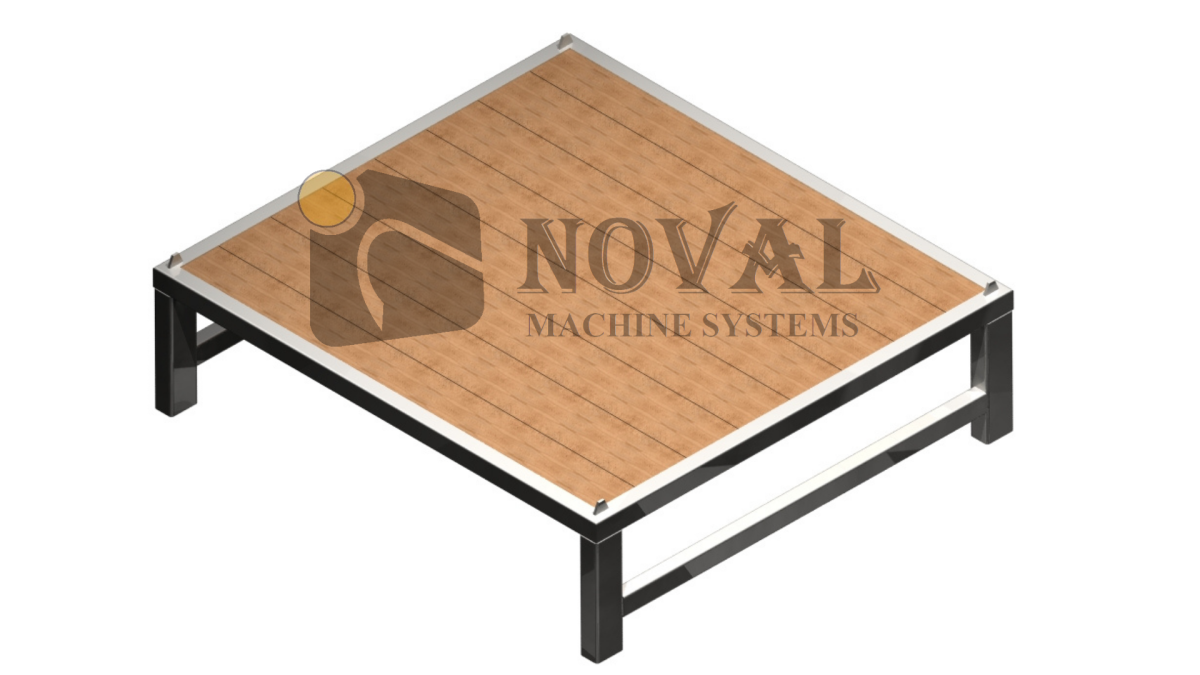
NBM 6036 Block and Interlocking Paver Machine Production Pallet
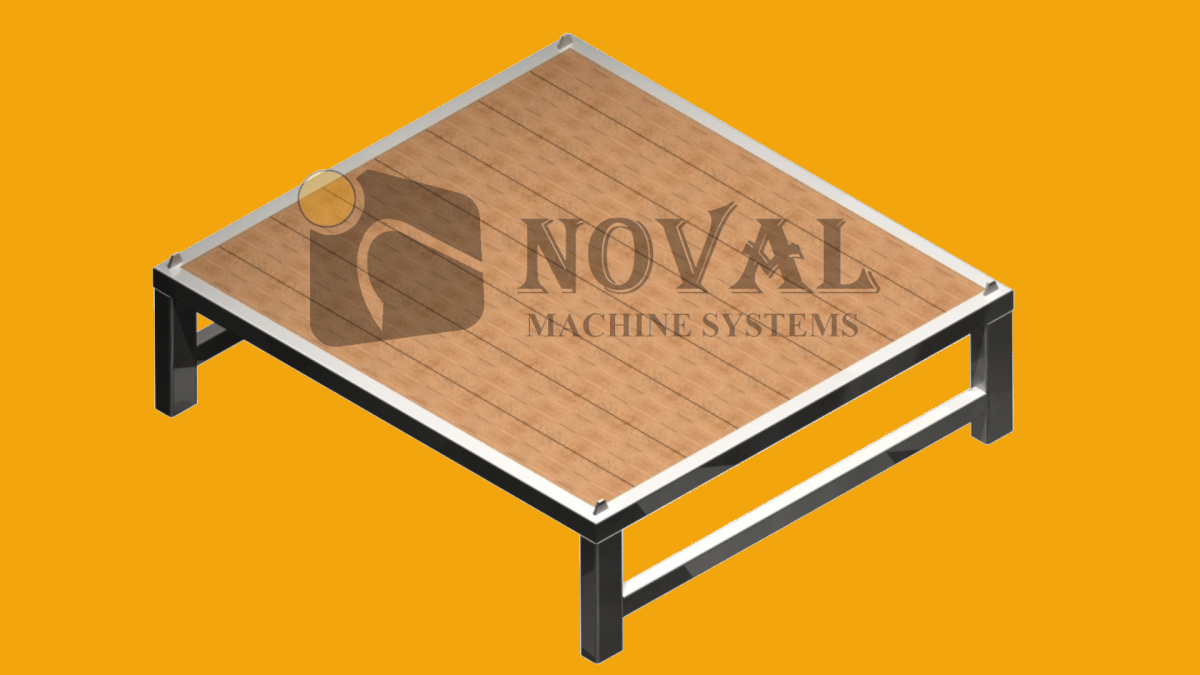
NBM 5030 Block and Interlocking Paver Machine Production Pallet
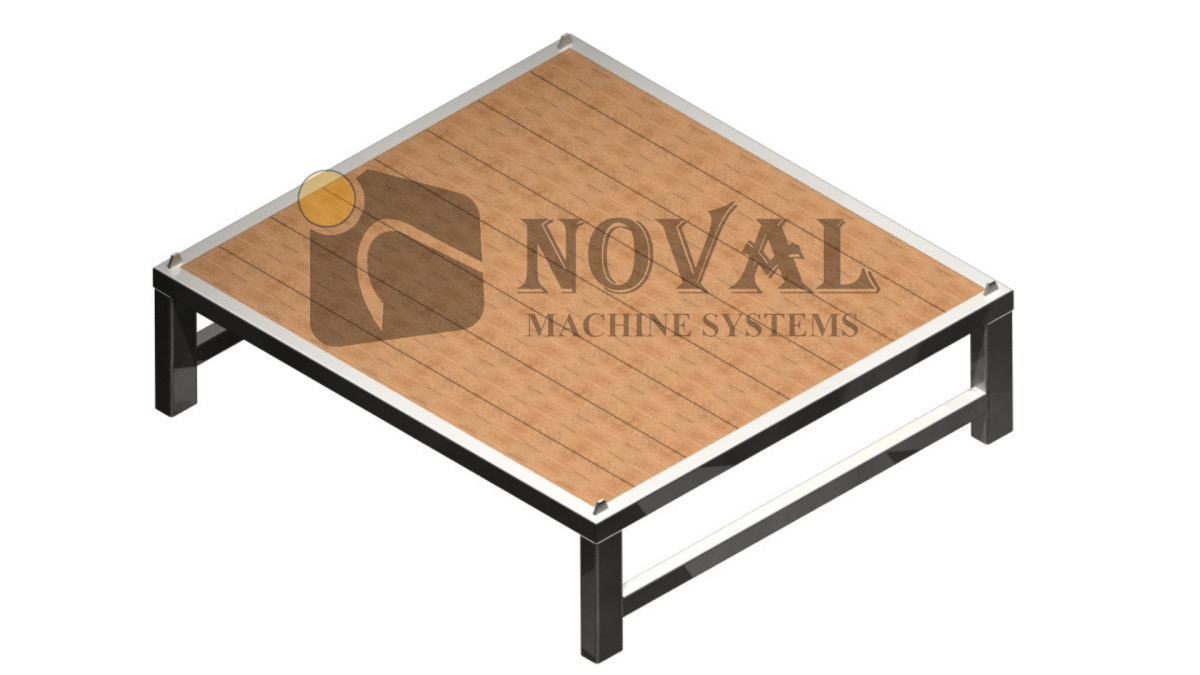
NBM 5025 Block and Interlocking Paver Machine Production Pallet

NBM 4020 Block and Interlocking Paver Machine Production Pallet
What is a production pallet and what role does it play?
A production pallet supports concrete products as they are formed in the mold and during handling, curing, and stacking. The concrete mix is compacted in the mold under hydraulic pressure onto the pallet. The freshly molded products leave the machine on the pallet and are transferred to the curing area. Once the products have gained sufficient strength, they are removed from the pallet, and the empty pallet returns to the production line.
A flat, clean, undamaged pallet surface helps preserve the base and dimensional accuracy of freshly molded products. Dimensional compatibility with the machine and handling system also helps products move smoothly through the line. When selecting a machine, manufacturers should therefore assess the pallet alongside their production and curing arrangements.
Production pallets can be used to manufacture standard concrete blocks, pumice blocks, interlocking pavers, concrete building products in various sizes, and concrete products made with custom molds. Pallet selection should account for the product type, mold, handling mechanism, and curing area.
Production pallet comparison
When comparing production pallets, consider both the overall pallet dimensions and the frame section dimensions. Automatic handling and Finger Car options differ even for the same machine. In an automatic system, loaded pallets travel along the handling line to the curing area, while a Finger Car system collects pallets at designated pickup points and transfers them to curing racks or stacking areas.
For the NBM 7042 Block and Interlocking Paver Machine Production Pallet and NBM 6036 Block and Interlocking Paver Machine Production Pallet, both pallet dimensions and frame section dimensions vary according to the handling system.
The automatic handling and Finger Car versions of the NBM 5030 Block and Interlocking Paver Machine Production Pallet and NBM 5025 Block and Interlocking Paver Machine Production Pallet share the same frame section dimensions but have different pallet dimensions.
The NBM 4020 Block and Interlocking Paver Machine Production Pallet is also available with different pallet and frame section dimensions depending on the selected system. Before ordering, check that these dimensions are compatible with the handling and stacking equipment.
| Pallet | Compatible machine | Pallet and frame section dimensions | Application |
|---|---|---|---|
| Production pallet for automatic handling | NBM 7042 | Pallet: 1.400 × 1.350 × 230 mm; frame section: 40 × 45 mm | Concrete blocks, pumice blocks, and interlocking pavers; automatic handling |
| Finger Car production pallet | NBM 7042 | Pallet: 1.350 × 1.350 mm; frame section: 40 × 50 mm | Concrete blocks, pumice blocks, and interlocking pavers; Finger Car handling and stacking |
| Production pallet for automatic handling | NBM 6036 | Pallet: 1.400 × 1.150 × 230 mm; frame section: 40 × 45 mm | Concrete blocks, pumice blocks, and interlocking pavers; automatic handling |
| Finger Car production pallet | NBM 6036 | Pallet: 1.350 × 1.150 mm; frame section: 40 × 40 mm | Concrete blocks, pumice blocks, and interlocking pavers; Finger Car handling and stacking |
| Production pallet for automatic handling | NBM 5030 | Pallet: 1.200 × 1.150 × 230 mm; frame section: 40 × 40 mm | Concrete blocks, pumice blocks, and interlocking pavers; automatic handling |
| Finger Car production pallet | NBM 5030 | Pallet: 1.150 × 1.150 mm; frame section: 40 × 40 mm | Concrete blocks, pumice blocks, and interlocking pavers; Finger Car handling and stacking |
| Production pallet for automatic handling | NBM 5025 | Pallet: 1.200 × 980 × 230 mm; frame section: 40 × 40 mm | Concrete blocks, pumice blocks, and interlocking pavers; automatic handling |
| Finger Car production pallet | NBM 5025 | Pallet: 1,100 × 980 mm; frame section: 40 × 40 mm | Concrete blocks, pumice blocks, and interlocking pavers; Finger Car handling and stacking |
| Production pallet for automatic handling | NBM 4020 | Pallet: 1,000 × 940 × 230 mm; frame section: 40 × 40 mm | Concrete blocks, pumice blocks, and interlocking pavers; automatic handling |
| Finger Car production pallet | NBM 4020 | Pallet: 920 × 920 mm; frame section: 40 × 35 mm | Concrete blocks, pumice blocks, and interlocking pavers; Finger Car handling and stacking |
How many production pallets do you need?
The total number of pallets required depends on more than the number of products the machine makes per cycle. Planning must also account for the time products remain on their pallets during curing and the time needed for empty pallets to return to production. Daily output targets, production cycle time, and handling speed within the plant should all be considered together.
Including the following information in the production plan helps determine the required pallet quantity:
- Target daily output and the number of products produced per cycle.
- Machine cycle time and the frequency at which products are demolded.
- Product curing time and the capacity of the curing area.
- Pallet return time to the production line and handling speed within the plant.
- The number of pallets set aside for maintenance or kept as spares.
- A total pallet quantity aligned with the production plan, taking into account that too few pallets can leave the machine waiting, while excess pallets increase storage requirements and occupy more plant space.
Production pallet materials, durability, and maintenance
The pallet body and frame construction should be assessed for compatibility with handling equipment and suitability for long-term service. Finger Car versions feature a construction designed for extended use. During operation, it is important to maintain surface flatness and inspect the frame sections and connection points. Concrete buildup, surface defects, and deformed frame sections can affect product shape and pallet movement through the line.
Clean pallet surfaces after production cycles and remove concrete residue regularly. Bent, damaged, or uneven pallets should not be used in production. Uneven surfaces can distort product bases and cause instability during handling.
Stack pallets on firm, level ground and protect them from impacts and drops during handling. Check surface condition and dimensions periodically, and keep pallets with dimensions unsuitable for the machine out of the line. Regular cleaning and inspection help extend service life and reduce the risk of defective products and unplanned production downtime.
What to consider when choosing a production pallet
Start by confirming the exact machine model and the handling system to be used. Next, consider the concrete product you intend to manufacture and the mold dimensions. Along with suitable overall dimensions, the pallet must fit correctly at the machine discharge and work with the handling mechanism and stacking equipment.
Include the curing area layout and the configuration of forklifts and other handling equipment in your selection process. Consider both the movement of loaded pallets from the machine to the curing area and the return of empty pallets to the line. This allows pallet dimensions and quantities to be assessed within the same production plan.
Before ordering, review the machine model, mold dimensions, selected system, daily production target, and curing time together. Unsuitable pallets can cause handling problems, damage product surfaces, and create delays on the production line.
NOVAL evaluates production pallets according to the machine model, mold dimensions, handling system, and plant capacity. It provides technical support for selecting suitable pallet dimensions, checking mold and pallet compatibility, and planning the required pallet quantity.
Frequently Asked Questions
Which concrete products can be made on production pallets?
Production pallets can be used for standard concrete blocks, pumice blocks, interlocking pavers, concrete building products in various sizes, and concrete products made with custom molds.
Do automatic handling and Finger Car pallets have the same dimensions?
No. Automatic handling and Finger Car pallets for the same machine have different pallet dimensions. Frame section dimensions may also vary depending on the model and handling system.
Does the machine's output per cycle alone determine the number of pallets required?
No. Daily production targets, cycle and curing times, curing area capacity, pallet return time, and the pallets reserved for maintenance must all be considered together.
Can bent pallets or pallets with damaged surfaces be used?
Bent or damaged pallets should not be used, and pallets that are no longer flat should be removed from production. These defects can affect product bases and stability during handling.
Are empty production pallets reused?
Yes. Once the products have gained sufficient strength and are removed, the empty pallet returns to the production line. Its surface must be clean, flat, and undamaged.
Request a quote for Production Pallets: share the product you plan to make, your target capacity and your site details.