


Guide to Interlocking Paving Stone Types and Applications
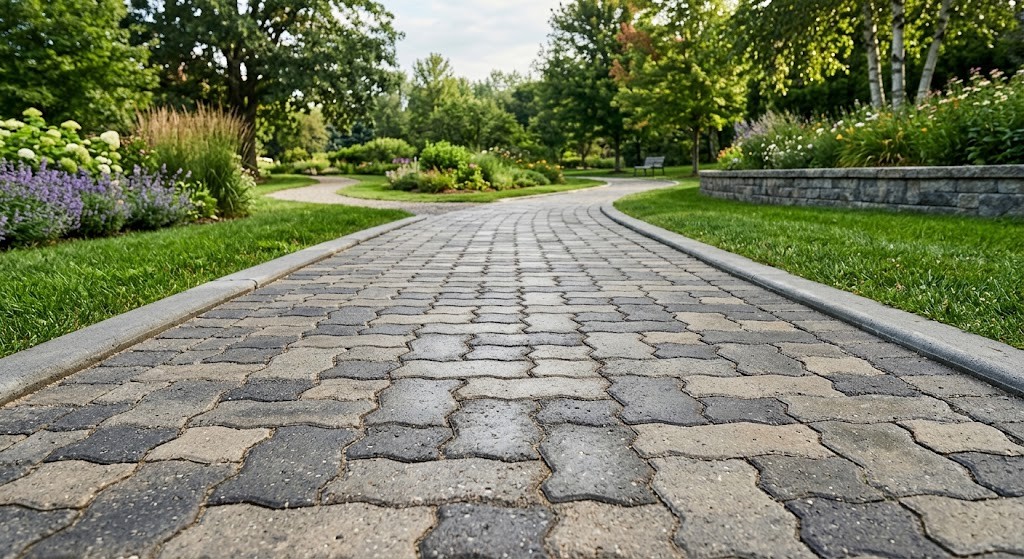
Interlocking paving stone types are preferred for different applications such as roads, parking areas, residential complexes, pedestrian paths, gardens, and commercial landscaping projects. When selecting a product, factors such as traffic intensity, stone geometry, thickness, surface structure, and the load-bearing capacity of the ground should be evaluated together rather than focusing only on appearance.
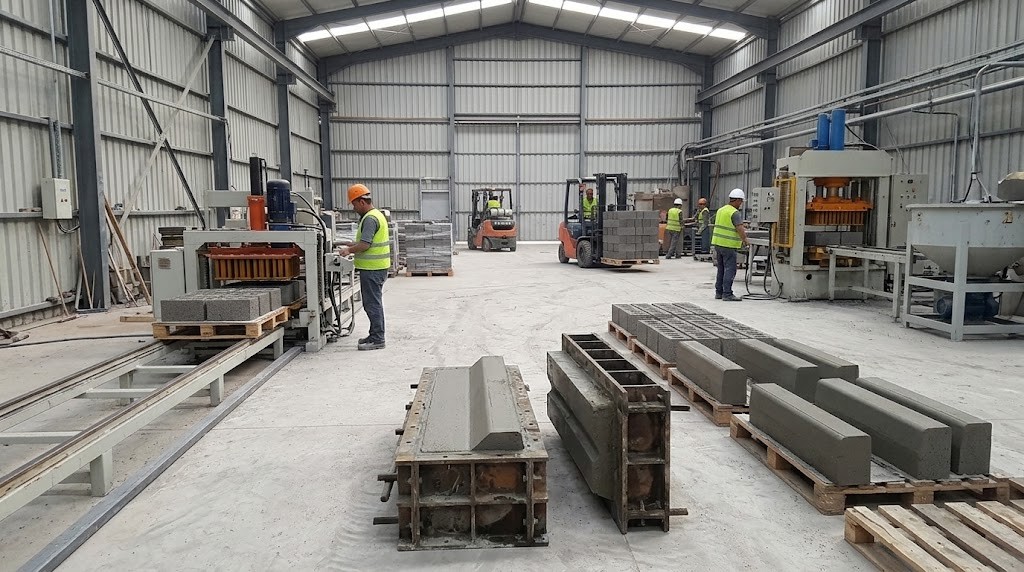
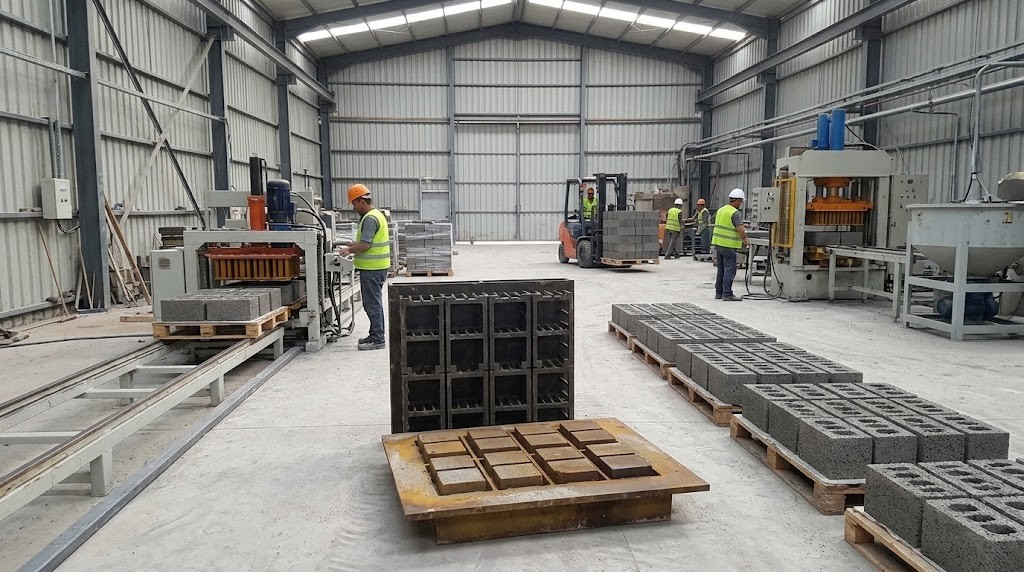
The right interlocking paving stone creates a stable surface while also contributing to balanced load distribution. For concrete product manufacturers, the ability to produce different paving stone models within the same facility offers an important advantage by expanding the product portfolio and meeting different project requirements. Novalmac concrete paving production solutions allow production planning for various mold and product options.
What Are the Types of Interlocking Paving Stones?
Interlocking paving stones are mainly categorized according to shape, thickness, surface design, and interlocking structure. In areas with heavy vehicle traffic, geometries that allow the stones to lock firmly together are generally preferred, while color and surface design may become more important in decorative applications.
Common options include classic interlocking stones, rectangular pavers, square paving stones, and special-geometry pavers. The shape of the final product is determined by the mold used during production.
The most important criterion when choosing an interlocking paving stone is ensuring that its geometry is suitable for the load and traffic conditions of the application area.
For manufacturers, choosing a machine system that can operate with different molds makes it easier to meet a wider range of customer and project requirements without being limited to a single product group.
How Should Interlocking Paving Stone Models Be Compared?
Not every paving stone model is suitable for the same operating conditions. Vehicle loads, pedestrian traffic, decorative expectations, and the size of the application area should all be considered during product selection.
|
Interlocking Paving Stone Type |
Main Feature |
Traffic Suitability |
Application Area |
|
Classic interlocking stone |
Strong interlocking structure |
High |
Roads, parking areas, facility grounds |
|
Rectangular paver |
Regular paving layout |
Medium/High |
Parking areas, walkways |
|
Square paving stone |
Modular appearance |
Medium |
Squares, landscaping areas |
|
Decorative paver |
Design-focused surface |
Depends on application |
Gardens, residential areas, landscaping |
|
Special-geometry paver |
Different interlocking options |
Can be high |
Project-specific applications |
Looking only at the shape of the stone is not sufficient when making a comparison. Since the same model can be manufactured in different thicknesses, product dimensions should also be selected according to the intended application.
Which Interlocking Paving Stones Are Suitable for Parking Areas and Roads?
Interlocking paving stone types with strong locking capability are particularly suitable for parking areas and vehicle roads. Turning, braking, and acceleration movements create horizontal forces on the paved surface, making it important for the stones to form an integrated surface that works together under traffic loads.
Product thickness is also an important selection criterion in high-traffic areas. A parking area used by passenger vehicles and an industrial facility used by heavy vehicles may require different paving structures.
Ground preparation is just as important as selecting the right stone. Even a high-quality paving stone may fail to deliver the expected performance if the sub-base, compaction, and joint filling processes are not planned correctly.
Which Models Are Suitable for Pedestrian Areas and Landscaping?
Design flexibility becomes more important in pedestrian paths, gardens, residential areas, and landscaping projects. Rectangular, square, or decorative interlocking paving stone types can be used to create different paving patterns in these areas.
Color, surface texture, and geometric form can also help visually separate different sections within the same project. Walkways, seating areas, and entrance zones can be planned using different paving layouts.
For manufacturers, increasing decorative variety can create opportunities to produce different product groups using the same concrete paving machine. In this context, ease of mold changeover and machine-mold compatibility directly influence production flexibility.
Interlocking Paving Stone Production with Novalmac
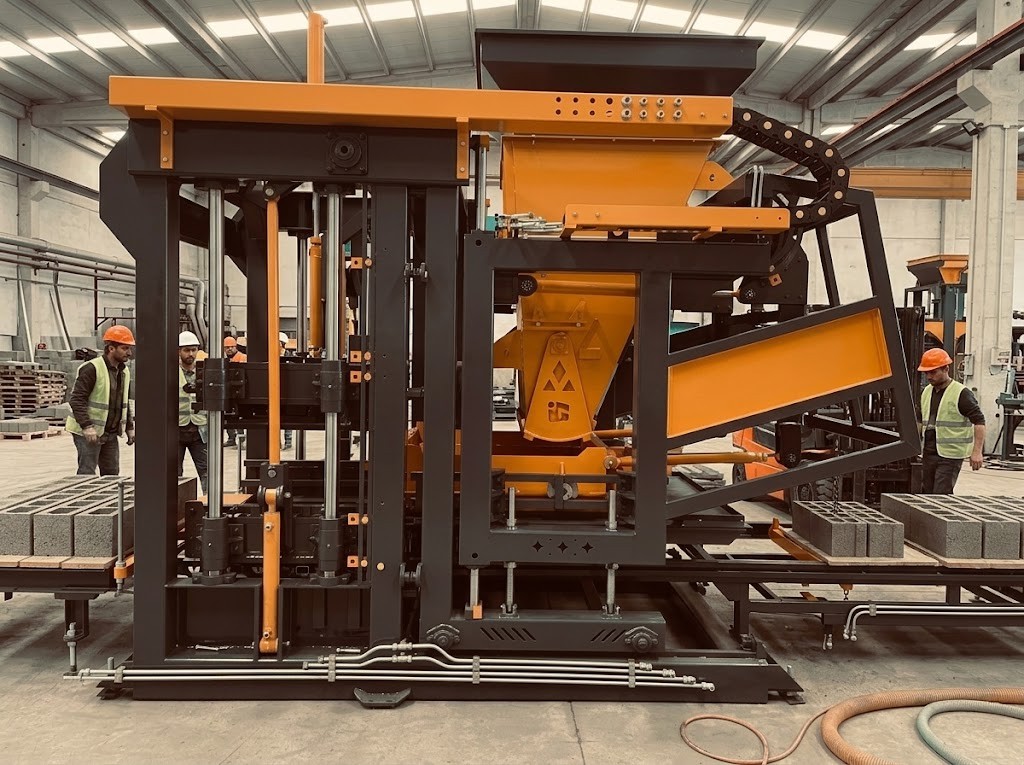
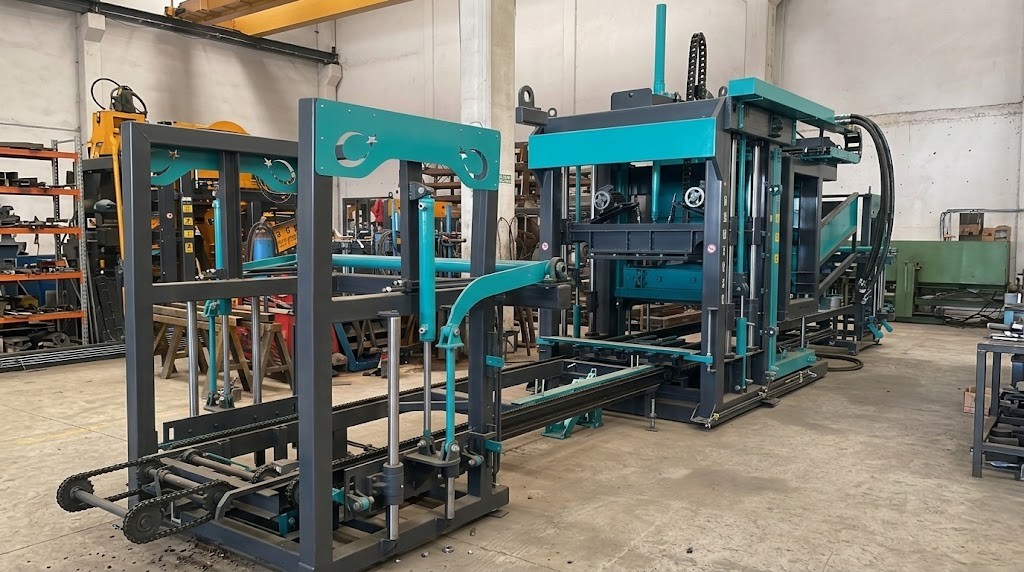
Novalmac concrete paving machines can be configured according to facility requirements for producing different types of interlocking paving stones. The appropriate production line can be planned by evaluating the product type, daily capacity target, automation level, and molds to be used.
In mass production, proper compatibility between the mold and the machine helps maintain stone geometry and supports production continuity. For businesses looking to expand their product portfolio, the ability to use different paving and curb molds is also an important selection criterion.
Choosing the Right Paving Stone for the Application
When choosing between interlocking paving stone types, traffic intensity, vehicle type, ground structure, product thickness, and design requirements should all be considered together. Durability and interlocking performance are more important for vehicle roads, while design variety may be more significant in pedestrian and landscaping applications.
With Novalmac solutions, machine, mold, and production line options suitable for manufacturing different interlocking paving stone models can be evaluated. Selecting a system that matches the required production capacity and target product portfolio helps the facility respond more flexibly to different project demands.