



Company Manufacturing Briquette Machines
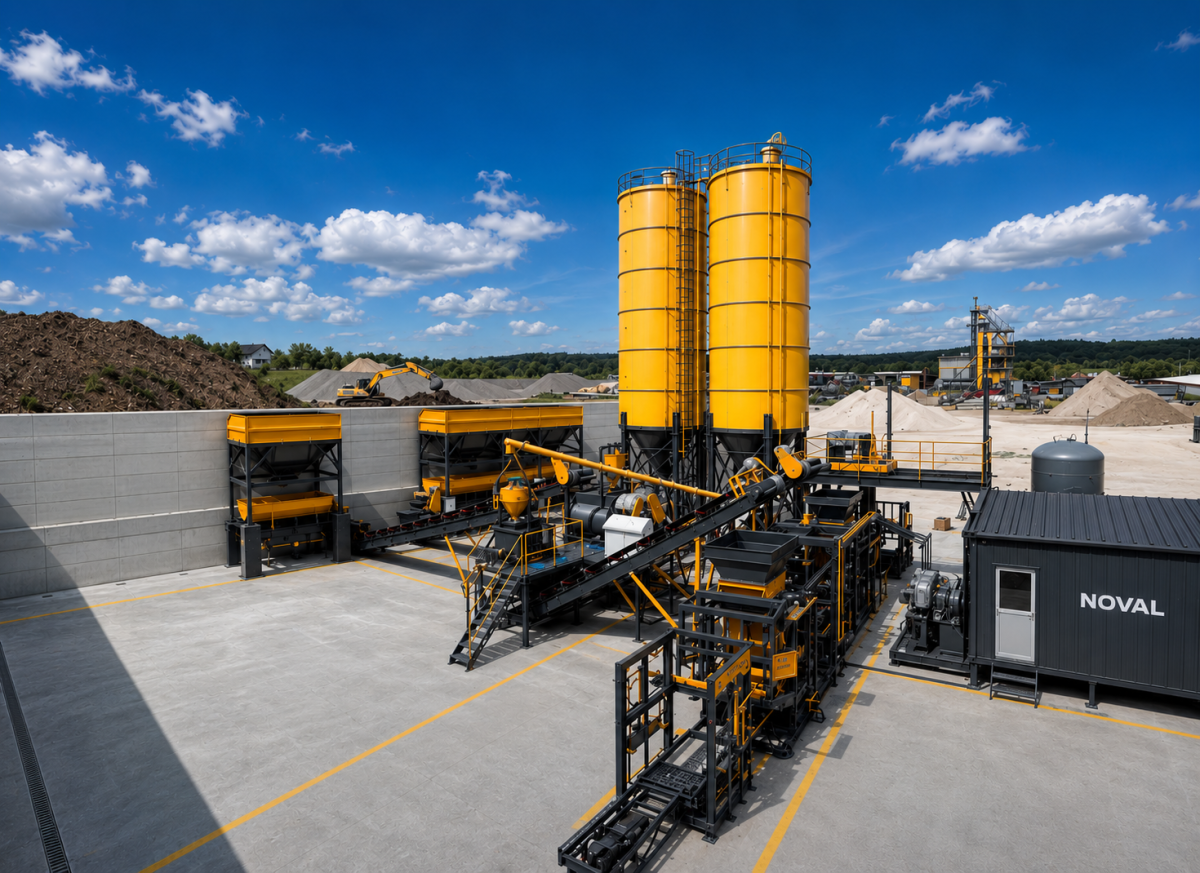
A briquette machine is an industrial device used to compress raw materials into compact briquettes. These machines are essential in the recycling and energy sectors, transforming waste materials such as sawdust, agricultural residues, metal scraps, and biomass into reusable fuel sources. Briquettes are a sustainable alternative to traditional fuels, offering economic and environmental benefits.
How Briquette Machines Work
The working principle of a briquette machine involves compression and binding. Raw materials are fed into the machine, where high pressure and, in some cases, heat, compact the material into a solid briquette. Depending on the machine type, the process may include additional binding agents or rely on the natural lignin content in biomass to hold the briquette together.
Key Steps in the Briquetting Process
- Material Collection and Preparation – Raw materials such as wood chips, rice husks, or metal shavings are collected and processed to remove excess moisture and impurities.
- Compression and Binding – The materials are compacted under high pressure, sometimes with heat, to form dense briquettes.
- Cooling and Storage – The finished briquettes are cooled before being packaged and stored for distribution.
Types of Briquette Machines
There are different types of briquette machines, each designed for specific materials and applications.
Hydraulic Briquette Machines
Hydraulic briquette machines use high-pressure hydraulic systems to compress materials into uniform briquettes. They are suitable for compacting metal, biomass, and industrial waste due to their ability to exert intense pressure.
Mechanical Briquette Machines
Mechanical briquette machines rely on screw or piston mechanisms to apply pressure and shape the briquettes. These machines are widely used in biomass briquetting and are known for their high production capacity.
Roller Press Briquette Machines
Roller press briquette machines work by applying pressure between two counter-rotating rollers. They are commonly used in the coal and mineral industries to create dense briquettes with consistent shapes.
Screw Briquette Machines
Screw briquette machines use a screw extrusion system to shape briquettes. These machines often produce hollow briquettes, which can be used as biofuel or activated carbon materials.
Benefits of Using Briquette Machines
Investing in a briquette machine offers numerous advantages for businesses and industries.
Waste Reduction
Briquette machines help minimize industrial waste by converting raw materials into reusable products, reducing the need for landfills.
Cost Efficiency
Using briquettes instead of raw materials or traditional fuels can lower energy and production costs. Companies can also generate revenue by selling briquettes.
Eco-Friendly Solution
Briquetting promotes sustainable resource management by reducing carbon emissions and encouraging the use of renewable energy sources.
High Energy Output
Briquettes have a higher calorific value than raw biomass or coal dust, making them a more efficient fuel source.
Versatility
These machines can process a wide range of materials, from wood and biomass to metal shavings and charcoal, making them valuable for various industries.
Industries That Benefit from Briquette Machines
Several industries rely on briquette machines for waste management, recycling, and fuel production.
Biomass and Agriculture
Farmers and biomass processing plants use briquette machines to convert crop residues, sawdust, and straw into energy-dense briquettes.
Metal and Recycling
Metalworking industries compact metal scraps, aluminum shavings, and steel dust into briquettes for easier recycling and transportation.
Coal and Energy Production
Briquette machines produce coal briquettes that can be used as an alternative to traditional coal in industrial applications.
Chemical and Pharmaceutical
Some industries use briquetting technology to process chemical waste and pharmaceutical residues for safe disposal.
Factors to Consider When Choosing a Briquette Machine
Selecting the right briquette machine depends on several factors.
Material Type
Different machines are designed for different materials. Identifying whether you need to process biomass, metal, coal, or other materials will help determine the right machine type.
Production Capacity
Machines come in various sizes, from small-scale units for local businesses to high-capacity industrial machines for large-scale production.
Power Consumption
Some machines require hydraulic pressure, while others use mechanical force. Evaluating energy efficiency can help reduce operating costs.
Maintenance and Durability
High-quality briquette machines should be durable and require minimal maintenance to ensure long-term operation.
Future of Briquette Machine Manufacturing
The demand for briquetting machines is growing due to the global shift towards renewable energy and sustainable waste management. Advances in technology are making machines more efficient, automated, and eco-friendly. In the future, we can expect improvements in automation, AI integration, and energy efficiency, making briquette production even more sustainable.
Briquette machines are an essential part of waste management and sustainable energy production. Whether used for biomass, metal, or coal processing, these machines help reduce waste, lower costs, and promote eco-friendly fuel alternatives. By choosing the right briquette machine, industries can enhance efficiency while contributing to a cleaner environment.