


The Most Durable Concrete Paver Types for Heavy Vehicle Roads and Parking Areas
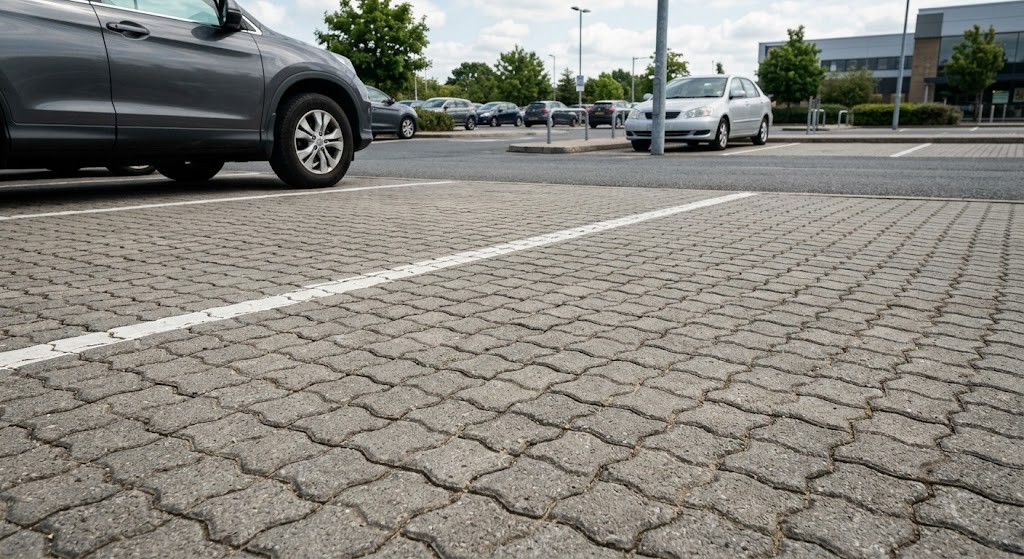
When selecting concrete pavers for heavy vehicle roads and parking areas, attention should be given not only to appearance but also to paver thickness, geometric structure, load distribution, compaction quality, and the condition of the application surface. In areas exposed to trucks, buses, construction machinery, and intensive vehicle traffic, concrete paver models with strong interlocking characteristics offer greater advantages.
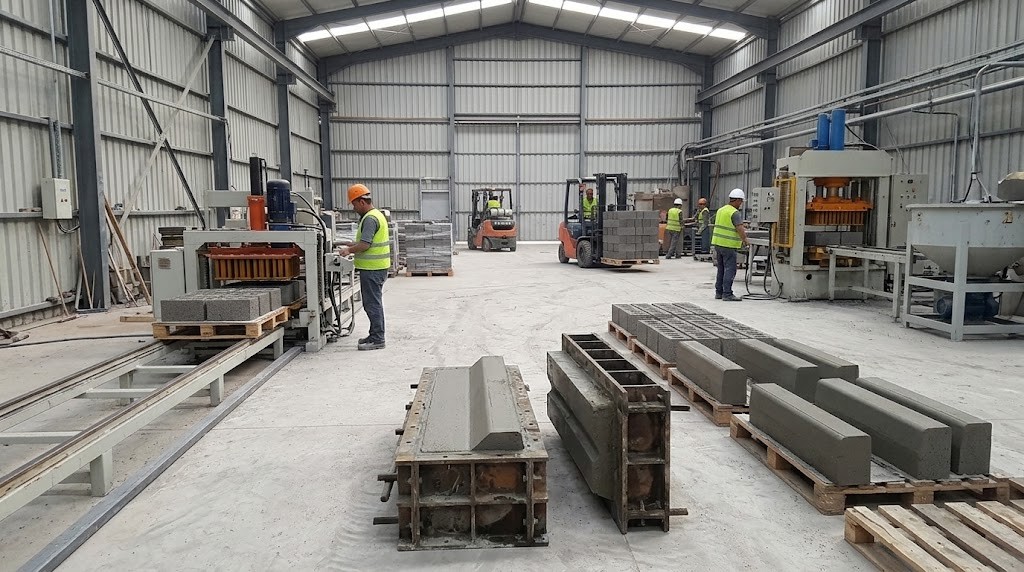
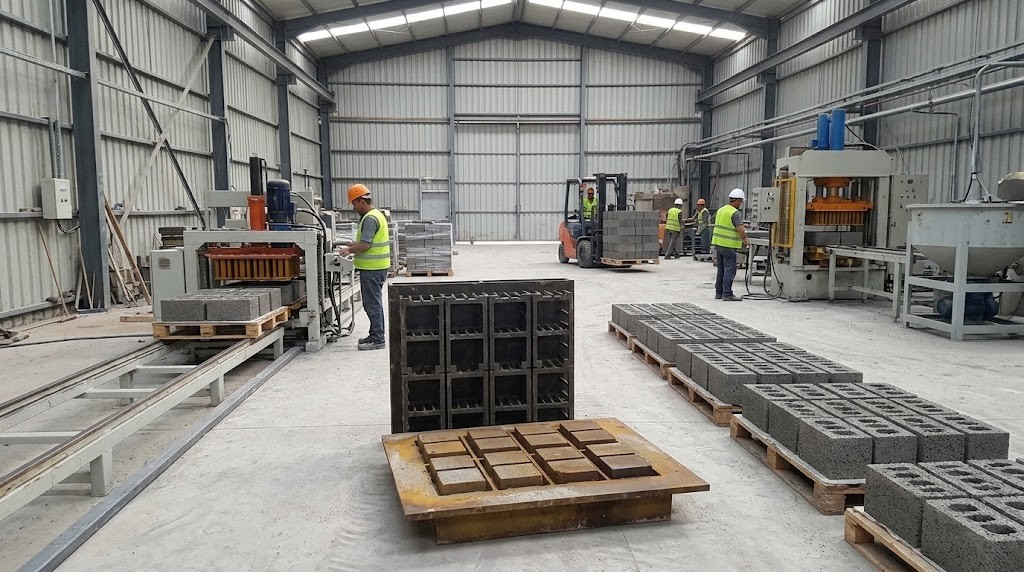
Production quality is just as important as choosing the right product. Novalmac concrete paver and block production solutions can be configured for the controlled and consistent manufacturing of concrete paver types intended for different applications. Selecting the appropriate paver geometry for the project directly affects long-term performance.
Which Concrete Pavers Are Preferred for Heavy Vehicle Traffic?
In areas regularly used by heavy vehicles, interlocking concrete pavers capable of maintaining their form under high loads should be preferred. Interlocking paving stones and thick-section concrete pavers can provide a strong solution for intensive traffic conditions when combined with proper ground preparation.
Paver geometry plays an important role in this process. Interlocking edge structures help distribute horizontal forces caused by vehicle movement across the paved surface. For this reason, the evaluation should consider not only compressive strength but also the overall structural behavior of the pavers after installation.
A durable concrete paving system for heavy vehicle areas should distribute loads evenly across the paved surface rather than concentrating them at a single point.
From a production facility perspective, the mold, pressing system, and production capacity should be planned together according to the selected paver model.
How Should Concrete Paver Types Be Compared?
When comparing concrete pavers for heavy vehicle roads and parking areas, load intensity, traffic frequency, and intended use should be evaluated together. The requirements of warehouse entrances are not the same as those of standard vehicle parking areas.
|
Concrete Paver Type |
Load-Bearing Potential |
Interlocking Structure |
Suitable Application Area |
|
Interlocking paving stone |
High |
Strong |
Heavy vehicle roads, industrial crossings |
|
Thick paving stone |
High |
Depends on model |
High-traffic parking areas, facility roads |
|
Rectangular concrete paver |
Medium/High |
Regular |
Parking areas and service roads |
|
Special-geometry concrete paver |
High |
Strong |
Industrial areas with intensive traffic |
When making a selection, not only the paver type but also product thickness and pavement infrastructure should be considered. Two concrete pavers with the same geometry may perform differently under different production and application conditions.
Why Is Concrete Paver Thickness Important in Parking Areas?
Concrete paver thickness is one of the main selection criteria affecting the surface’s ability to withstand vehicle loads. The structural requirements of products used in passenger car parking areas differ from those used in areas where heavy commercial vehicles operate continuously.
In areas exposed to higher loads, increasing paver thickness can help the product perform more effectively against stresses generated under load. However, using a thicker paver alone is not sufficient. The sub-base layer, compaction quality, joint filling, and surface drainage also influence pavement performance.
The durability of concrete pavers depends on the correct planning of both the product and the ground infrastructure.
For this reason, the expected traffic intensity should be determined at the beginning of projects involving heavy vehicle parking areas or facility roads.
Durable Concrete Paver Production with Novalmac
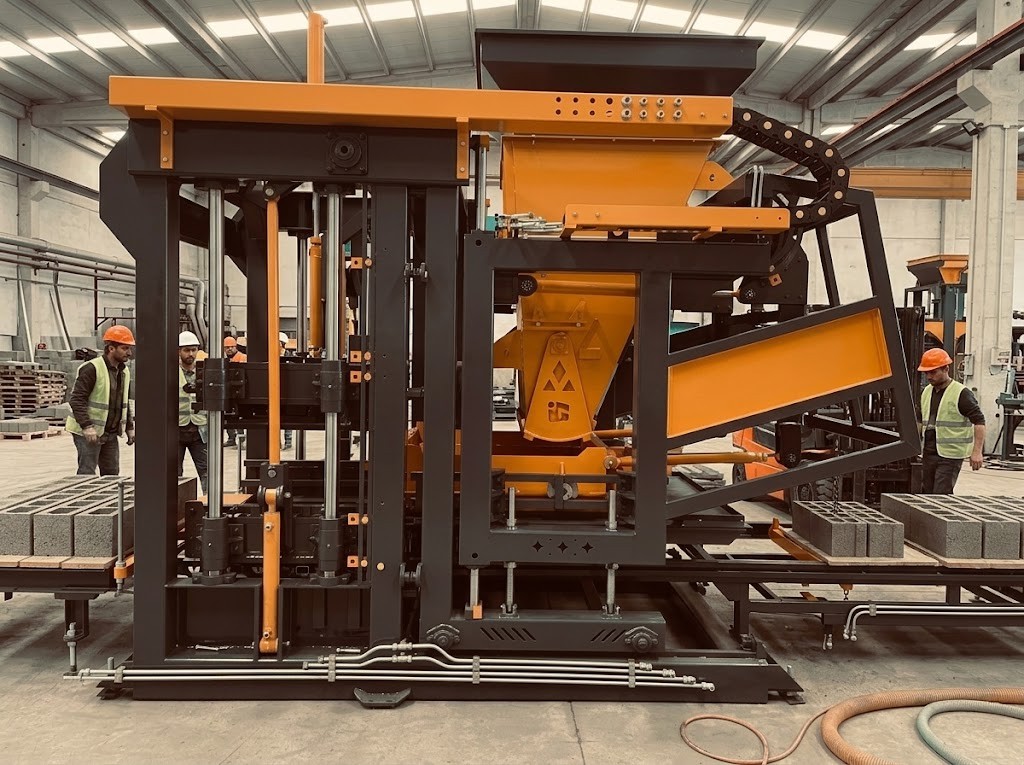
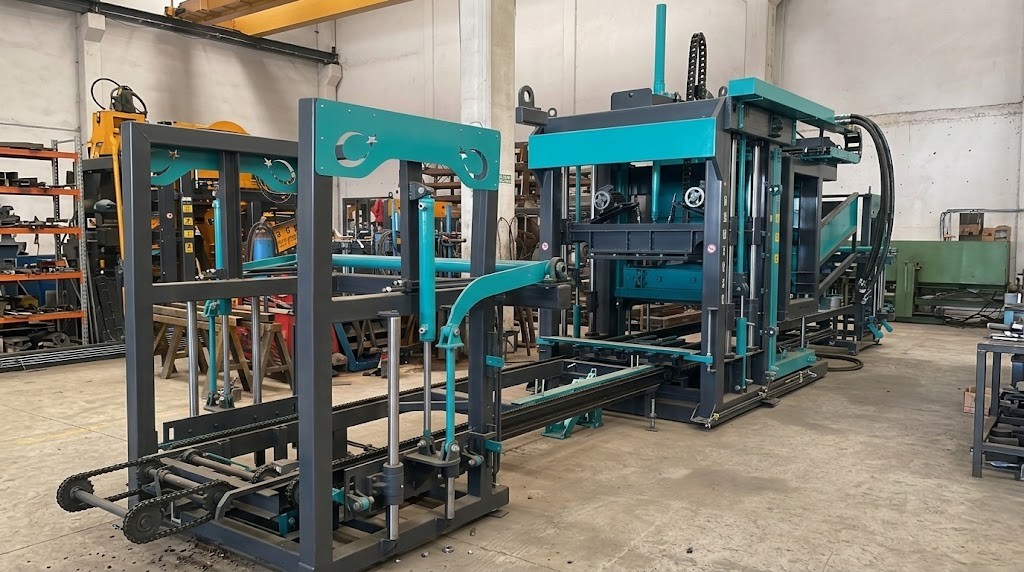
Novalmac concrete paver and block machines can be planned to produce different paver geometries and thicknesses. Depending on the intended application of the product, the mold structure, machine capacity, and automation level can be determined to create a suitable production configuration for the facility.
In concrete paver production for heavy vehicle roads, maintaining consistent product geometry throughout mass production is important. Compatibility between the mold and the machine, together with a controlled compaction process, helps maintain product consistency.
When planning a new production investment, it is advisable to choose a system that supports not only current orders but also different concrete paver types that may be produced in the future. With Novalmac, machine and mold options can be evaluated according to your production capacity and product portfolio.
Choosing the Right Product for a Durable Surface
The most durable concrete paver type for heavy vehicle roads and parking areas should be selected according to the actual load conditions of the application area. Interlocking geometries, suitable paver thickness, strong ground infrastructure, and controlled production can together create a longer-lasting paving system.
On the production side, choosing the right machine and mold determines the consistency of product quality. With Novalmac solutions, you can plan a concrete paver production line for heavy vehicle roads, parking areas, and high-traffic zones according to your capacity and product variety targets.