


Concrete Paving Stones Suitable for Your Project with Different Color and Surface Options
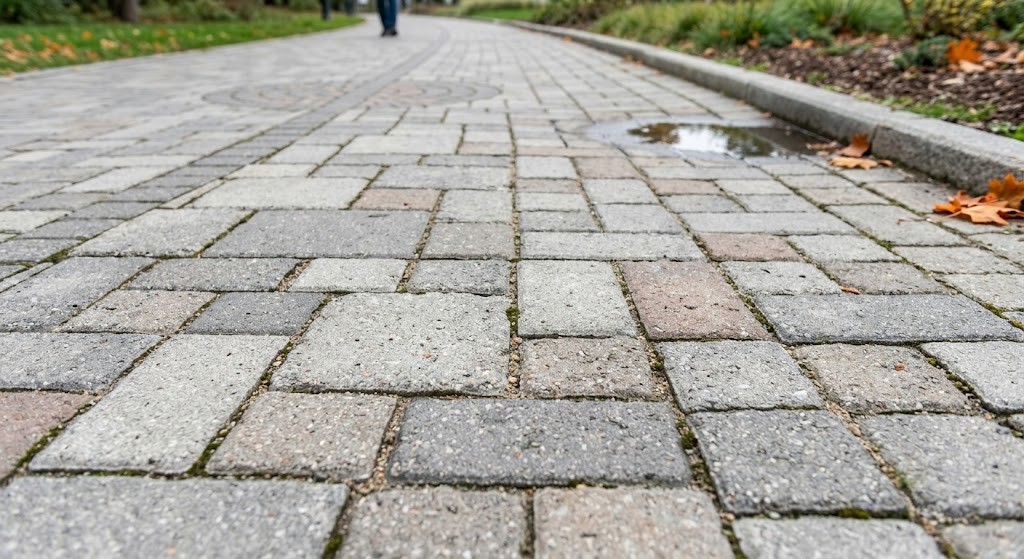
Concrete paving stones offer a wide range of design options in terms of color, surface texture, geometric form, and laying pattern. These products can be used in various areas, from pedestrian walkways and public squares to residential complexes and parking areas. However, selection should not be based solely on visual expectations. Usage intensity, the function of the surface, the colors of surrounding structures, and production characteristics should all be evaluated together.
The following criteria should be considered when selecting concrete paving stones for a project:
-
Function of the application area
-
Pedestrian or vehicle traffic intensity
-
Expected load on the surface
-
Compatibility between color and surrounding design
-
Surface texture and appearance expectations
-
Geometric form of the paving stone
-
Laying pattern
-
Mold options
-
Color consistency
-
Stability of production quality
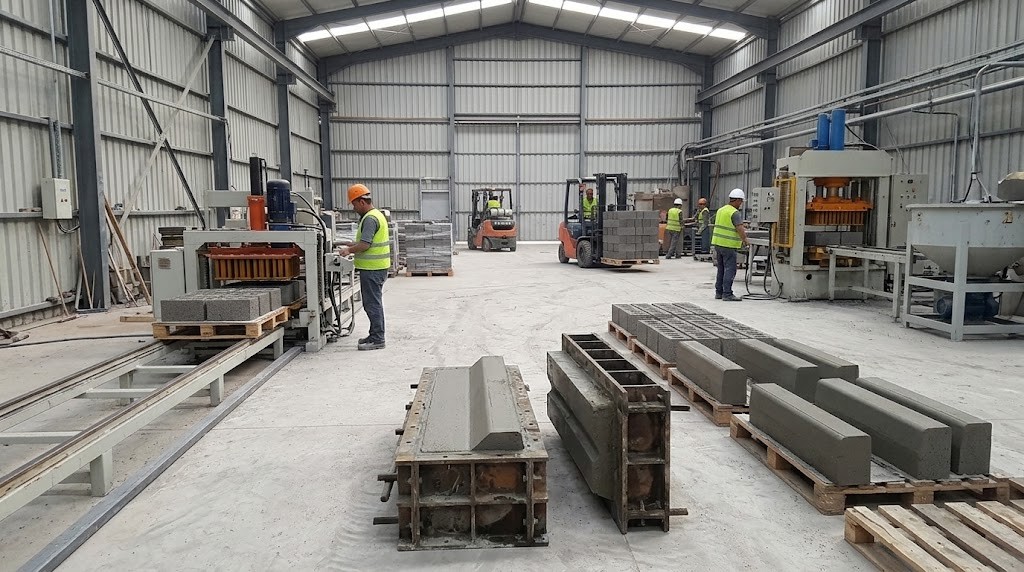
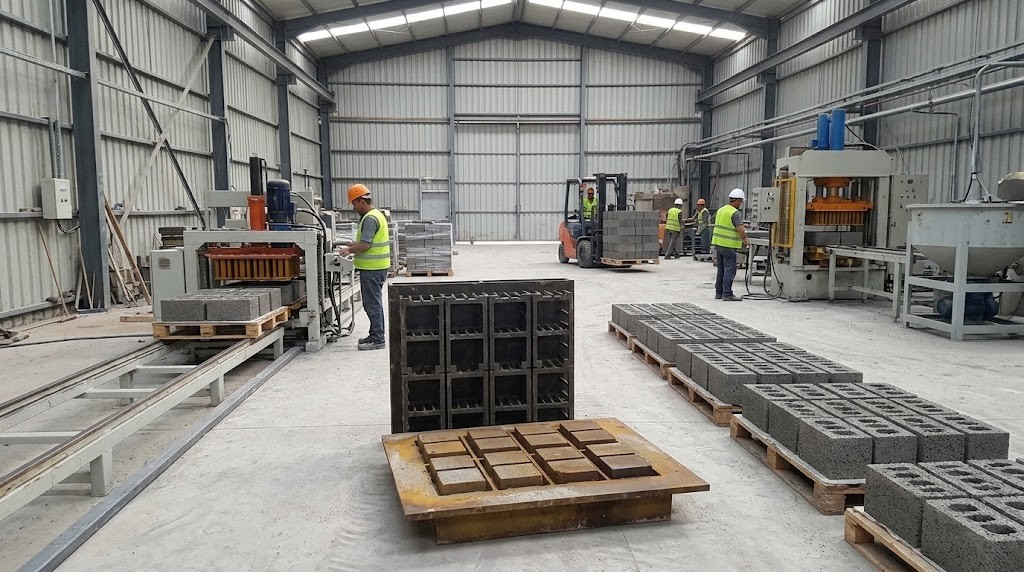
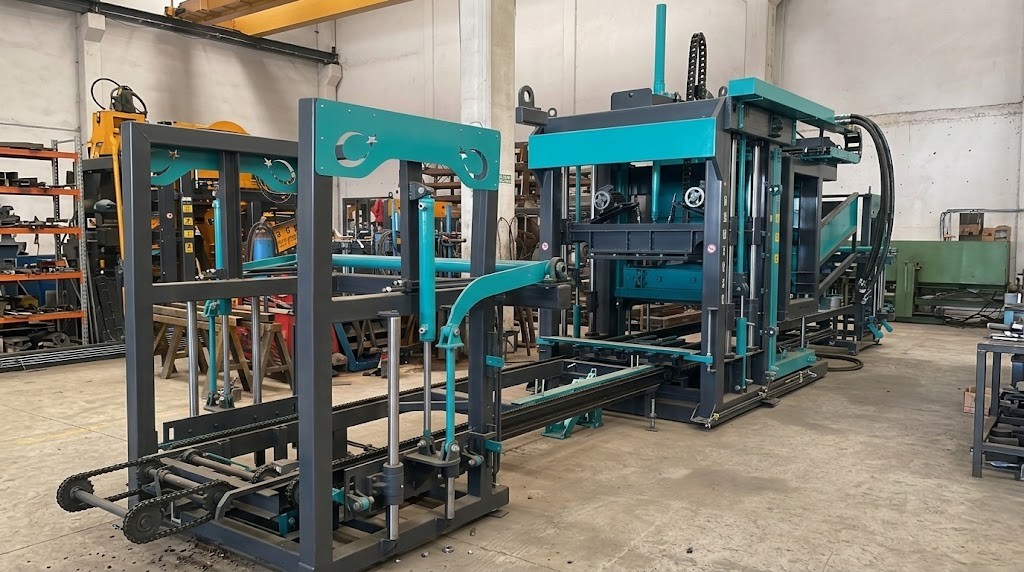
Concrete paving stone and block machines developed by Noval Makine allow concrete products in various shapes and dimensions to be manufactured using different mold options. This enables manufacturers to expand their product range according to different project requirements.
Why Is Color Selection Important in Concrete Paving Stones?
The color of a concrete paving stone directly affects the visual relationship between the paved surface and the surrounding architecture. Gray and anthracite tones create a more neutral appearance, while red, yellow, or earth tones can provide a more distinctive visual effect in landscaped areas. Using multiple colors together can also help visually separate different functional zones.
The following factors should be considered when selecting colors:
-
Building façade colors
-
Color of curbs and surrounding elements
-
Materials used in landscape design
-
Size of the application area
-
Areas exposed to sunlight or shade
-
Planned laying pattern
-
Balance between primary and complementary colors
The color of a concrete paving stone supports not only the decorative character of the surface but also the visual definition of different areas.
A color that appears balanced on a small sample may look more dominant when applied over a large surface. For this reason, the overall appearance of the entire paved area should be considered during the color selection process.
How Does Surface Texture Change the Appearance of Concrete Paving Stones?
Surface finish can give paving stones with the same color and shape a completely different visual character. Smooth surfaces create a simpler and more uniform appearance, while textured surfaces can provide greater visual depth and definition.
The main points to consider when selecting a surface texture include:
-
Architectural language of the project
-
Whether the area is indoor or outdoor
-
Pedestrian traffic intensity
-
Desired level of visual simplicity
-
Decorative appearance requirements
-
Natural stone or concrete elements used nearby
-
Consistency of surface texture across products
Surface quality in concrete paving production is related to the concrete mixture, mold surface, compaction process, and operational stability of the machine. Maintaining similar surface characteristics during serial production contributes to a more uniform appearance after installation.
Surface texture is one of the main design elements that complements the color and geometric form of a concrete paving stone.
The ability to use different molds in Noval Makine paving stone machines makes it easier to include various product forms in the production plan.
Where Can Different Color and Surface Options Be Used?
A single color or surface type does not provide the same result for every concrete paving project. As the intended use of the area changes, expectations related to color, form, and surface characteristics also vary.
|
Application Area |
Recommended Color Approach |
Surface Preference |
Design Priority |
|
Pedestrian walkways |
Natural and medium tones |
Smooth or lightly textured |
Visual consistency |
|
Residential complexes |
Colors compatible with façades |
Decorative surface |
Architectural harmony |
|
Public squares |
Color combinations |
Textured or patterned |
Area definition |
|
Parking areas |
Dark and neutral tones |
Functional surface |
Organized use |
|
Landscaped areas |
Earth and natural tones |
Textured surface |
Environmental harmony |
|
Garden paths |
Contrasting or natural tones |
Decorative surface |
Visual guidance |
Color and surface selection can also support the following functional objectives:
-
Defining pedestrian routes
-
Separating vehicle areas
-
Highlighting entrance and exit zones
-
Defining landscape boundaries
-
Creating different functional zones within squares
-
Making building entrances more visible
-
Creating visual continuity with curbs
This approach transforms paving stones from simple surface-covering products into active components of spatial planning.
How Do Paving Stone Shape and Laying Pattern Affect Design?
The geometric form of a paving stone is just as important as its color and surface texture in determining the final appearance. Interlocking paving stones, rectangular units, and products manufactured with different geometric molds allow a variety of laying patterns to be created.
The main options that can be considered in a paving layout include:
-
Straight-line laying
-
Staggered laying
-
Geometric repetitions
-
Two-color patterns
-
Border strips
-
Directional lines within the area
-
Designs integrated with curbs
The same paving stone can create significantly different visual effects when used in two different laying patterns. Therefore, the stone should not be evaluated only as an individual product; the overall composition it will create across a larger surface should also be considered.
Color, surface texture, and form are not independent choices but complementary elements of the same pavement design.
The use of different mold solutions in production lines configured with Noval Makine equipment allows manufacturers to include various paving stone forms in their production plans.
What Should Be Considered in Colored Concrete Paving Stone Production?
Consistency is one of the main quality criteria in colored concrete paving stone production. Variations in concrete mixture proportions, pigment distribution, moisture level, and compaction conditions can cause differences in tone between products.
The following controls should be carried out regularly during production:
-
Maintain consistent proportions of mixture components.
-
Keep pigment dosage under control.
-
Ensure homogeneous pigment distribution throughout the concrete.
-
Monitor moisture levels.
-
Keep mold surfaces clean.
-
Maintain stable compaction conditions.
-
Inspect production pallets regularly.
-
Compare different production batches.
-
Protect product surfaces during handling.
-
Separate product groups systematically in storage areas.
Differences in color between production batches become more noticeable when paving stones are used over large areas. For this reason, production continuity should be managed not only in terms of capacity but also in terms of visual quality.
Design Balance When Selecting Paving Stones for a Project
In a successful concrete paving application, aesthetic expectations and functional requirements should be considered together. Color, surface texture, paving stone form, and laying pattern should complement the overall design of the project.
The following checklist can be used before making a selection:
-
Has the function of the area been clearly defined?
-
Has traffic intensity been evaluated?
-
Has the main color palette been selected?
-
Is a secondary or complementary color required?
-
Is the surface texture suitable for the intended use?
-
Does the paving stone form support the planned laying pattern?
-
Is the color compatible with the curbs?
-
Can color consistency be maintained between production batches?
-
Is the selected mold suitable for the intended design?
-
Can the production line support the planned product variety?
Paving stone and block machine solutions offered by Noval Makine can be configured according to different mold and production requirements, supporting the manufacture of various concrete products.
Concrete paving stones with different color and surface options serve not only as functional ground-covering elements but also as complementary components of architectural design. When the intended use, surrounding color palette, surface expectations, paving stone form, and laying arrangement are evaluated together, it becomes possible to create a more coordinated, consistent, and visually integrated surface design.