


Automatic Hollow Block Machine Selection Guide
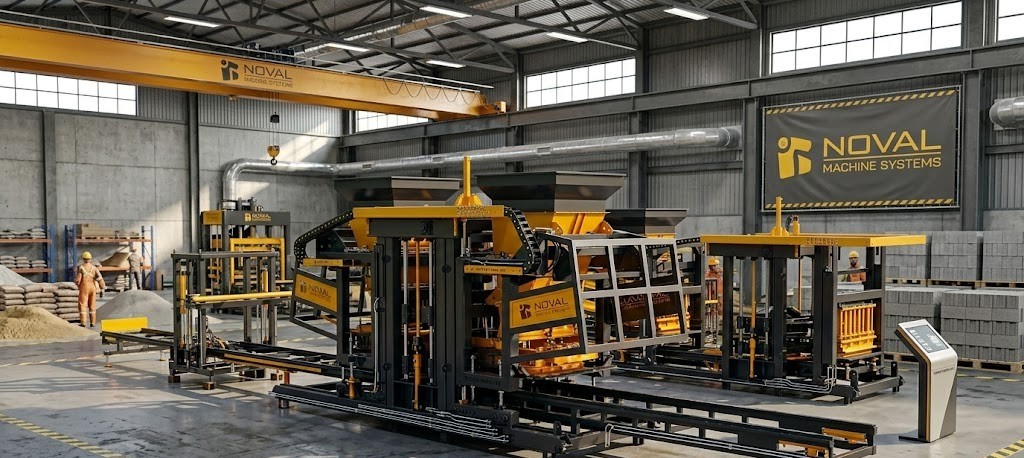
An automatic hollow block machine is designed to produce hollow concrete blocks with consistent dimensions, higher production speed, and lower labor dependency. Choosing the right system depends on production capacity, automation quality, mold durability, and operational efficiency.
The most important factors include:
-
Daily production capacity
-
PLC automation system
-
Hydraulic performance
-
Mold quality
-
Energy consumption
-
Maintenance requirements
-
Technical support availability
Fully automated systems help manufacturers improve production consistency while reducing operational downtime. In large-scale block manufacturing facilities, production stability is often more important than maximum speed.
What Is an Automatic Hollow Block Machine?
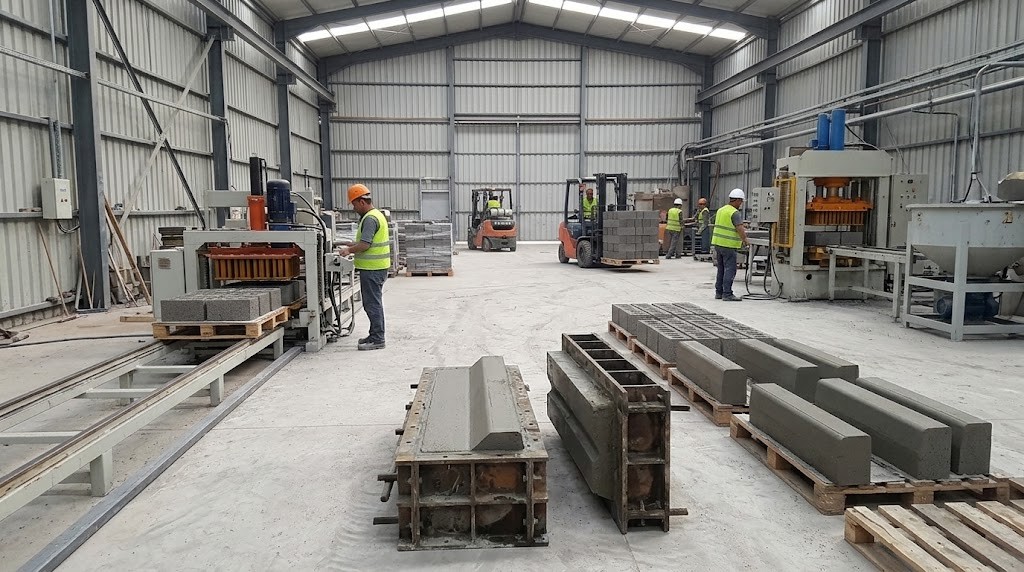
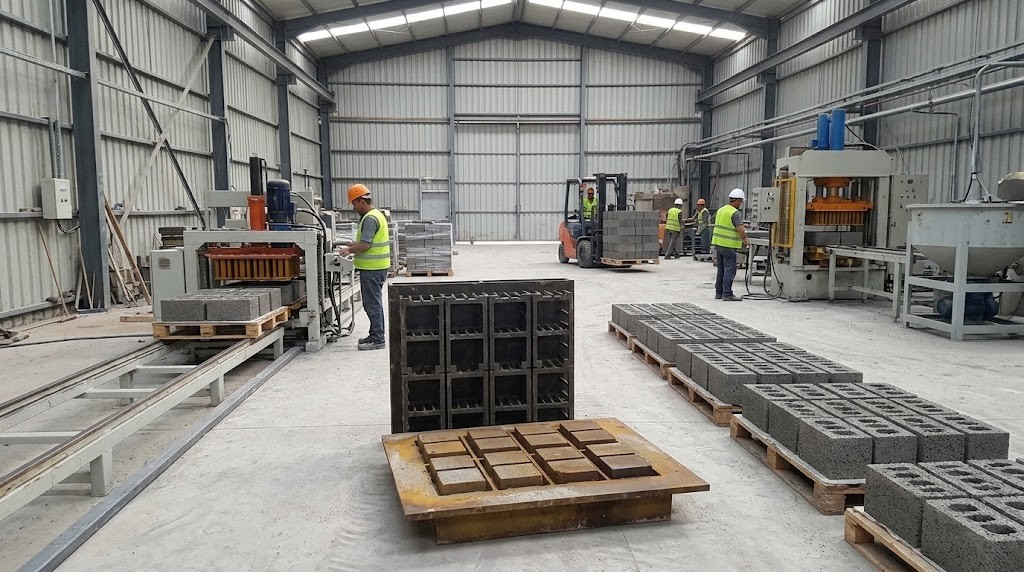
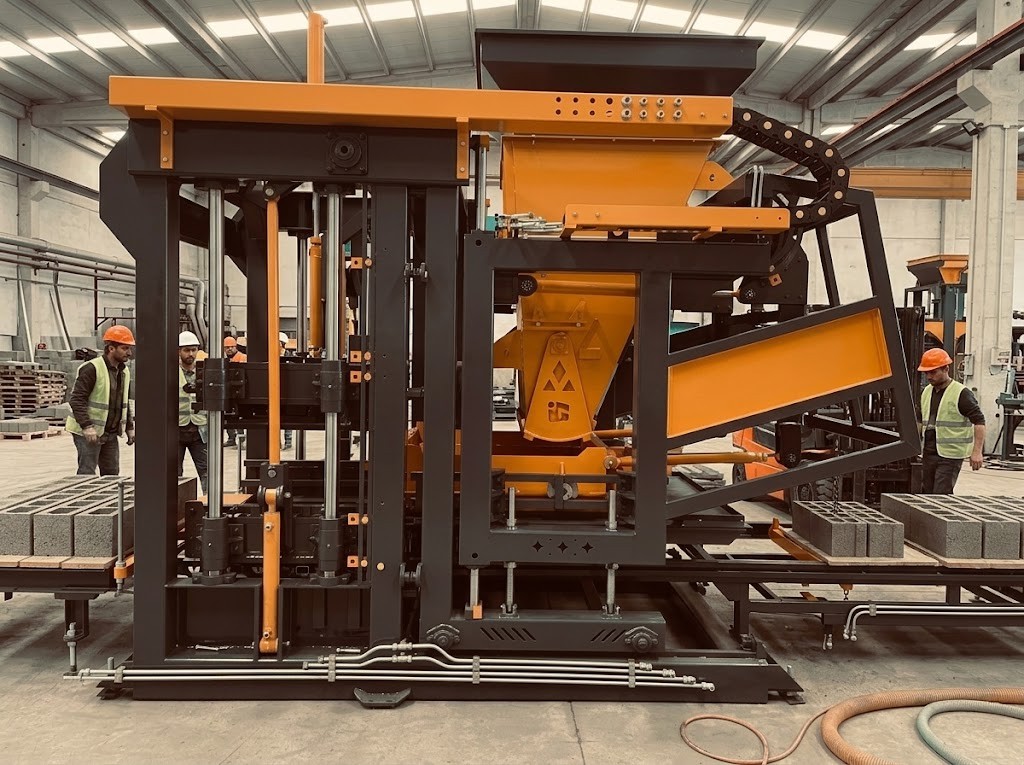
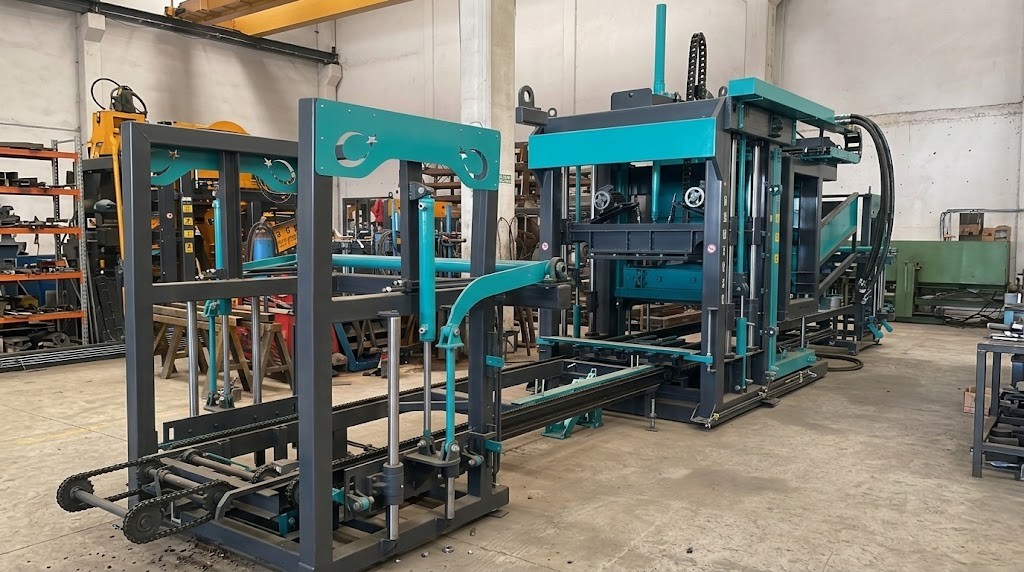
An automatic hollow block machine is an industrial production system used to manufacture hollow concrete blocks, concrete bricks, and paving stones through automated processes. The machine handles material feeding, mold filling, vibration, compression, and product transfer automatically.
Modern concrete block manufacturing increasingly relies on automation because production accuracy directly affects product strength and dimensional consistency.
“Automatic hollow block machines reduce manual intervention and improve production precision.”
In practical production environments, automated systems also help reduce product rejection rates caused by inconsistent vibration or improper compression.
Types of Automatic Hollow Block Machines
Automatic hollow block machines are available in different configurations depending on production scale, automation level, and factory layout.
|
Machine Type |
Production Capacity |
Suitable For |
Labor Requirement |
|
Semi-Automatic |
Low to Medium |
Small factories |
Higher |
|
Fully Automatic |
Medium to High |
Industrial production |
Lower |
|
Mobile Block Machine |
Medium |
Construction sites |
Medium |
|
Multi-Layer System |
Very High |
Large factories |
Low |
Fully automatic systems are commonly preferred in facilities that require continuous high-volume production.
“Production consistency is one of the biggest advantages of fully automated systems.”
Higher production speed alone does not guarantee better output quality. Stable vibration and precise mold alignment remain critical.
Key Factors to Consider Before Buying
Choosing an automatic hollow block machine requires evaluating more than just the initial purchase price. Long-term production efficiency depends heavily on machine durability, automation quality, and maintenance accessibility.
Important factors to evaluate include:
-
Hourly and daily production output
-
Mold replacement speed
-
Power consumption
-
PLC automation infrastructure
-
Hydraulic system reliability
-
Spare part availability
-
Technical support response time
“Reliable technical support is as important as the machine itself.”
In many production facilities, unexpected downtime creates larger financial losses than the initial machine investment.
Production Capacity
Production capacity should match the factory’s actual operational demand. Investing in a machine with unnecessarily high capacity may increase operating costs and extend return on investment periods.
Small and medium-sized factories often operate efficiently with lower-capacity systems, while large-scale industrial facilities may require continuous multi-shift production.
“Correct capacity planning improves operational efficiency and reduces waste.”
Many manufacturers focus only on maximum theoretical output figures, but actual production efficiency depends on cycle stability and maintenance performance.
Automation System
Automation systems control vibration timing, material feeding, hydraulic pressure, and production synchronization. Advanced PLC systems improve production accuracy and reduce operator dependency.
Servo-supported automation systems are increasingly used because they help optimize energy consumption and production precision.
“Automation quality directly affects production stability and product consistency.”
Factories using modern automation systems typically experience lower production interruptions and fewer dimensional errors.
Automatic Hollow Block Machine Price Factors
Automatic hollow block machine prices vary depending on machine size, automation level, mold system quality, and optional production line integrations.
|
Factor |
Impact on Price |
|
PLC Automation |
High |
|
Servo Motors |
Medium to High |
|
Mold Quality |
High |
|
Hydraulic Components |
High |
|
Robotic Handling System |
High |
|
Production Capacity |
High |
Machines equipped with premium hydraulic systems and high-quality molds generally require higher upfront investment but may reduce maintenance costs over time.
“Lower purchase cost can sometimes lead to higher long-term operational expenses.”
Energy-efficient systems are becoming increasingly important as industrial electricity costs continue to rise.
Energy Consumption and Maintenance
Energy consumption is one of the most important operating costs in concrete block production facilities. Hydraulic pumps, vibration motors, and conveyor systems typically consume the largest share of electricity.
Efficient machine design can significantly reduce long-term production costs.
“Energy-efficient machines improve profitability over long production cycles.”
Routine maintenance should include:
-
Hydraulic oil inspection
-
Mold surface checks
-
Vibration motor testing
-
Conveyor alignment inspection
-
PLC diagnostic monitoring
-
Electrical connection testing
Regular preventive maintenance helps reduce unexpected downtime and extends machine lifespan.
Industries That Use Automatic Hollow Block Machines
Automatic hollow block machines are widely used in:
-
Concrete block manufacturing plants
-
Construction material factories
-
Infrastructure projects
-
Prefabricated building manufacturers
-
Commercial construction supply facilities
Large-scale construction demand continues to increase the need for consistent and high-volume concrete block production.
“Automation allows manufacturers to maintain stable delivery schedules under high production demand.”
Many growing factories transition from semi-automatic systems to fully automatic production lines to improve efficiency and reduce labor dependency.
Questions to Ask Before Purchasing
Before purchasing an automatic hollow block machine, manufacturers should carefully evaluate after-sales support and operational requirements.
Key questions include:
-
How many mold configurations are supported?
-
What is the average installation timeline?
-
Is operator training included?
-
How quickly are spare parts supplied?
-
What does the warranty cover?
-
Is remote technical support available?
“Fast technical support response time can significantly reduce production downtime.”
Comparing only the initial quotation price may create long-term operational risks.
Important Points
-
Production stability is often more valuable than maximum speed.
-
High-quality molds directly improve block consistency and durability.
-
Automation systems help reduce labor dependency and production errors.
-
Energy-efficient machines lower long-term operational costs.
-
Preventive maintenance reduces unexpected downtime and repair expenses.
Insights Most Buyers Overlook
Many buyers compare machines primarily based on hourly production figures. However, vibration stability and mold precision often have a greater impact on final product quality.
Two machines with similar output capacity can produce significantly different block density and structural consistency.
“Real production quality depends on stable compression and vibration performance.”
Requesting a live production demonstration before purchasing can reveal operational differences that technical brochures may not show.
Frequently Asked Questions
What does an automatic hollow block machine do?
An automatic hollow block machine produces hollow concrete blocks through automated feeding, vibration, compression, and transfer processes.
Why are fully automatic systems preferred?
Fully automatic systems improve production speed, reduce labor dependency, and provide more consistent product dimensions.
What affects automatic hollow block machine prices?
Prices vary depending on production capacity, automation quality, hydraulic systems, mold technology, and optional automation integrations.
How is production capacity calculated?
Production capacity depends on cycle time, mold configuration, shift duration, and product dimensions.
Why is energy efficiency important?
Energy costs represent a significant portion of industrial operating expenses. Efficient systems help reduce long-term production costs.
Which industries use these machines?
Concrete product manufacturers, infrastructure suppliers, and prefabricated construction companies commonly use automatic hollow block machines.
Key Production Advantages
Choosing the right automatic hollow block machine requires evaluating automation quality, production stability, energy efficiency, and long-term maintenance performance.
Factories that invest in reliable automation systems often achieve more stable production quality, lower downtime, and improved operational efficiency.
An efficient automatic hollow block machine is not only a production tool but also a long-term investment in manufacturing consistency and scalability.