


Interlock Kalıplarının Kusursuz Zemin Tasarımındaki Gizli Gücü

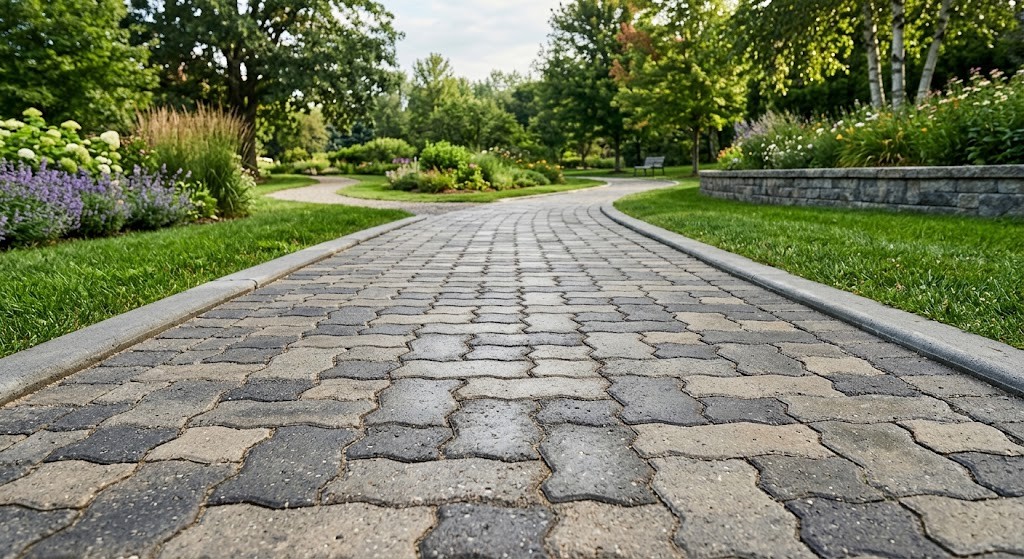
Interlock kalıpları, modern zemin uygulamalarında kusursuz kilit taşı üretimini mümkün kılan en kritik altyapı araçlarından biridir. İlk 100 kelime içinde doğal geçiş amacıyla interlock kalıplarının kusursuz yüzey ve hassas geometri üretme kabiliyeti vurgulanmalıdır; çünkü bu sistemler hem estetik hem de yapısal bütünlük sağlayarak döşeme projelerinde uzun ömür, yüksek verimlilik ve optimum kilitlenme performansı yaratır. Teknik açıdan bakıldığında, kilit taşlar arasındaki mikrometrik uyumun temelinde kullanılan kalıpların doğruluğu ve dayanımı bulunur. Zemin mühendisliğinde bu hassasiyet, yük dağılımının homojenliği, yüzey stabilitesi ve trafik dayanımı gibi performans kriterlerinin doğrudan belirleyicisidir. Bu nedenle doğru bir interlock kalıbı, yalnızca bir üretim aracı değil, projeye değer katan bir mühendislik bileşenidir.
Interlock Kalıpları Kusursuz Kilit Taşlarını Nasıl Oluşturur?
Interlock kalıpları kusursuz kilit taşlarını oluşturmada kilit noktadır çünkü geometrik hassasiyet sayesinde her taşın kenarı, açısı ve kilit bölgesi birbirine mükemmel uyumla oturur. Bunun sonucunda yüzeyde açıklık oluşmaz, derz çalışması minimum düzeyde olur ve taşlar zeminde zamanla kayma eğilimi göstermez. Bu hassasiyet döşeme stabilitesini önemli ölçüde artırır.
Kalıbın iç yüzeyindeki doku ve milimetrik form, betonun en küçük detayına kadar yerleşmesini sağlar. Correct vibrasyonla birleştiğinde taşın içindeki hava boşlukları azalır ve yoğunluğu artar. Böylece hem yük taşıma kapasitesi yükselir hem de dayanıklılık uzun vadeli olarak korunur. Yapılan saha ölçümleri, hassas kalıplarla üretilen taşların döşeme sırasında %30 daha az hizalama düzeltmesi gerektirdiğini göstermektedir. Bu fark özellikle büyük alan projelerinde işçilik süresini ciddi biçimde azaltır.
Kalıp Tasarımındaki Mükemmeliyetin Teknik İlkeleri
Kalıp tasarımındaki mükemmeliyet, birkaç temel mühendislik ilkesine dayanır. Duvar kalınlıkları, ısı dayanımı, yüzey dokusu ve kalıbın iç geometrisi üretim sonucunu doğrudan etkiler. Duvarların esneme katsayısı düşük olduğunda form bozulmaz, bu da binlerce dökümden sonra bile aynı kaliteyi sağlayan taşlar üretilebilmesi anlamına gelir.
Kalıpların iç yüzeyine uygulanan mikro-doku teknoloji, hem kaymaz yüzey oluşturmayı hem de doğal taş görünümünü başarılı biçimde yansıtmayı mümkün kılar. Bunun yanında beton karışımının kalıbın her alanına eşit yayılmasını sağlayan yüzey eğimleri de tasarımın kritik detayları arasında yer alır.
Yüksek frekanslı vibrasyon altında form stabilitesini koruyan kalıplar, taş yoğunluğunu ortalama %10–15 oranında artıran bir sıkıştırma etkisi yaratır. Bu durum taşın hem don–çözül döngüsüne hem de araç trafiğine karşı daha dirençli hâle gelmesini sağlar.
Interlock Kalıplarında Kullanılan Dayanıklı Malzemeler
Interlock kalıplarının dayanıklılığı kullanılan malzeme ile şekillenir. ABS kompozitler esneklik, yüzey kalitesi ve kırılma direnciyle bu alanda uzun zamandır en çok tercih edilen malzemeler arasında yer alır. Yüksek darbe dayanımı sayesinde vibrasyonlu demolding sürecinde form kaybı yaşanmaz. Polipropilen tabanlı kalıplar ise özellikle yüksek ısı altında çalışan üretim hatlarında deformasyonu engeller.
Metal takviyeli kalıplar ağır sanayi üretim döngülerinde yüksek başarı sağlar. Titreşim ve pres yüklerine dayanıklı yapıları sayesinde geometrinin bozulması engellenir. Kauçuk-polimer hibrit yapılar ise dekoratif yüzey gerektiren projelerde mikron seviyesinde doku aktarımıyla estetik kaliteyi artırır.
Kalıp malzemeleri yalnızca üretim verimliliğini değil, taşın sahadaki performansını da etkiler. Örneğin yüzey dokusu doğru malzemeyle işlendiğinde kaymazlık katsayısı 0,7 seviyelerine ulaşabilir, bu da kamusal alanlarda güvenliği artırır.
Üretim Sürecinde Interlock Kalıplarının Sunduğu Avantajlar
Interlock kalıpları üretimin her aşamasında belirgin avantajlar sunar. Döküm öncesi kalıp yüzeyinin temiz ve homojen şekilde yağlanmış olması taşın kusursuz ayrılmasını sağlar. Vibrasyon tablası ile pres sisteminin kalıpla uyumlu çalışması yoğunluğu artırır ve hava boşluklarını minimize eder.
Bu aşamalar doğru yürütüldüğünde taşların basınç dayanımı 45–55 MPa aralığına ulaşabilir. Bu değer ağır yük altındaki zeminlerde uzun ömürlü kullanım için önemli bir göstergedir. Kürleme aşamasında taşın kenar geometrisinin bozulmaması yine kalıbın form stabilitesine bağlıdır. Kürleme ortamının 18–22°C aralığında tutulması dayanımı %20 oranında artırır.
Hatalı kürleme yapılan projelerde taş yüzeyinde mikro çatlaklar ve kenar kırılmaları gözlemlenirken, kaliteli kalıpla üretilen taşların bu tür deformasyonlara karşı çok daha dirençli olduğu bilinmektedir.
Tasarımda Esneklik Sunan İleri Seviye Kalıp Geometrileri
Interlock kalıplarının sunduğu tasarım esnekliği modern peyzaj projelerinde görsel çeşitliliği artıran bir etkendir. S tipi kilit taşlar özellikle trafik yükünün yoğun olduğu alanlarda tercih edilir. Altıgen geometriler geniş meydanlarda estetik bütünlük sağlar; dikdörtgen modüller ise klasik görünüm isteyen projelerin başlıca tercihlerindendir. Balıksırtı desen taşları, yüksek kilit dayanımıyla endüstriyel alanlarda verimli sonuçlar sunar.
Geçirgen taş modelleri ise yağmur suyu yönetiminde önemli avantaj sağlar. Boşluklu tasarımı sayesinde yağmurun %80’e yakını yüzeyden toprağa geçerek su birikintisi oluşmasını engeller ve drenaj yükünü önemli ölçüde azaltır.
Yüzey dokusu açısından granit görünümü, mikropürüzlü modern dokular ve kaymaz yüzeyler uzun ömürlü projelerde en çok tercih edilen seçeneklerdir. UV dayanımlı pigmentlerle kullanılan kalıplar beş yıl sonunda yalnızca %4–6 renk kaybı göstererek estetik süreklilik sağlar.
Interlock Kalıplarıyla Üretimde Verimlilik Artışı Nasıl Sağlanır?
Interlock kalıpları üretimde verimlilik artışı sağlar çünkü demolding döngüsünü hızlandırır, fire oranını azaltır ve üretim hattının duruş süresini minimuma indirir. Dayanıklı kalıplar sayesinde form kaybı yaşanmadığından, üretim sırasında yeniden ayarlama gereksinimi ortadan kalkar. Bu durum hat üzerindeki ritmi sabit tutarak üretim hızı üzerinde doğrudan olumlu etki yaratır.
Teknik analizler dayanıklı kalıpların kullanıldığı hatlarda döngü süresinin %15–25 oranında hızlandığını göstermektedir. Ayrıca yüzey hatalarının azalması kalite kontrol zamanını kısaltır. Taşların tamamının aynı ölçüde olması sahada hızlı döşeme yapılmasına olanak tanır.
Bu avantajlar birleştiğinde üreticiler için uzun vadede maliyetlerde %30’a varan azalma sağlanabilir.
Saha Performansını Güçlendiren Kalıp Kalitesi
Interlock taşların sahadaki performansı büyük ölçüde kalıp kalitesine bağlıdır. Taşların kenar keskinliği, duvar açıları ve kilit bölgelerinin doğruluğu döşemenin yıllar boyunca stabil kalmasını sağlar. Alt temel hazırlanırken %95 Proctor sıkıştırma değerine ulaşılması, zeminin uzun ömürlü olmasında kritik bir rol oynar. 8–12 cm stabilize kırma taş tabakası ve 3–5 cm ince kum altlık ideal bir yapı oluşturur.
Derz doldurma aşamasında kuru yıkanmış nehir kumu kullanılması en iyi kilitlenmeyi sağlar. Bu yöntem yatay kayma riskini azaltır. Drenaj eğiminin %1,5–2 arasında verilmesi yüzeyde su birikmesini engeller; drenajı doğru yapılmış alanlarda deformasyon oranları %40 azalır.
Interlock Kalıplarının Gelecek Teknolojileri
Yeni nesil interlock kalıp teknolojileri sektöre yüksek doğruluk, sürdürülebilir üretim ve otomasyon avantajları kazandırmaktadır. Sensör destekli üretim hatları vibrasyon, nem ve sıcaklık gibi kritik değerleri gerçek zamanlı izleyerek üretimin her aşamasında tutarlılık sağlar. CAD/CAM modelleme ise geometrik doğruluğu geleneksel kalıplara göre dört kat artırarak modern mimari projelerin beklentilerini karşılar.
Geri dönüştürülmüş kompozit malzemelerden üretilen kalıplar çevre dostu alternatifler sunarken ağırlığı azaltarak operatör ergonomisini de geliştirir. Ultra detaylı doku işleme teknolojileri doğal taş yüzeylerine %90 yakınlık sağlayarak peyzaj tasarımında estetik kaliteyi yeni bir seviyeye taşır.
Profesyonel Uygulayıcılar ve Üreticiler İçin Stratejik Öneriler
Interlock kalıplarıyla kusursuz sonuç elde etmek için hem üretimde hem sahada bazı teknik ilkelere bağlı kalmak gerekir. Döküm öncesi kalıbın yüzey temizliği ve yağlama homojen olmalıdır. Beton karışımının nem oranı uygun değilse vibrasyon etkili olmaz ve taş yoğunluğu düşer. Vibrasyon süresi karışımın işlenebilirliğine göre ayarlanmalı ve pres basıncı kalıp geometrisine uygun seviyede tutulmalıdır. Kürleme alanlarında sıcaklık ve nem stabil olmalıdır. Saha uygulamasında bordür sabitlemesi ihmal edilmemeli, derz dolgusu titreşimle tamamen oturtulmalıdır.
Bu kurallara uyulduğunda interlock sistemleri yıllar boyunca formunu koruyan, estetik ve yapısal bütünlüğü yüksek zeminlere dönüşür.
Interlock kalıpları modern döşeme teknolojilerinin görünmeyen ama en güçlü yapı taşıdır. Mükemmel uyumlu taş üretimini mümkün kılan bu sistemler, doğru kullanıldığında hem üretimde hem uygulamada rakipsiz bir performans sunar. Böylece projeler yalnızca dayanıklı değil, aynı zamanda uzun ömürlü ve estetik olarak güçlü yüzeylere dönüşür.