


The Strategic Power of Perfectly Fitting Interlock Molds in Production
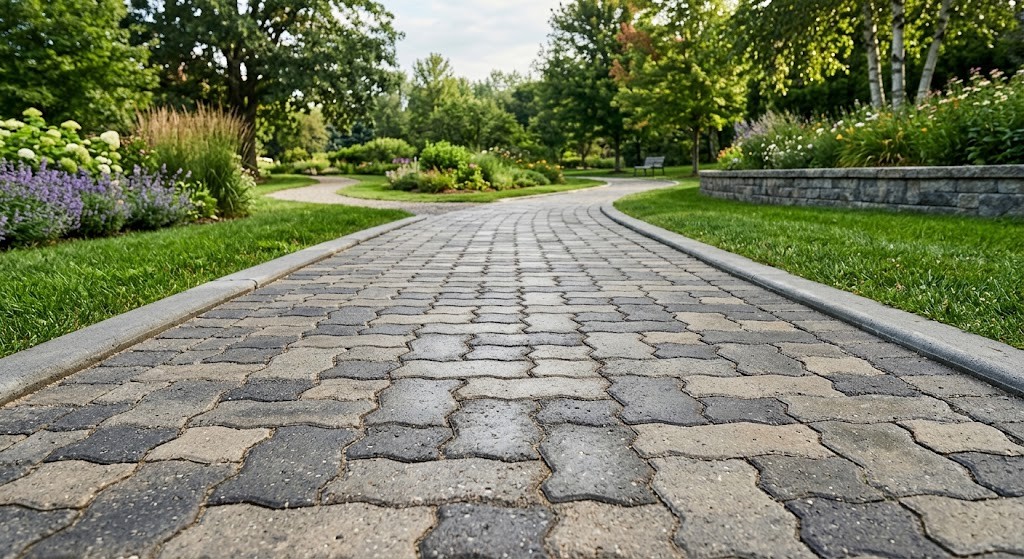
Precision-manufactured interlock molds are among the essential structural components of all projects in the paving industry that demand geometric accuracy and high durability. To ensure a natural transition within the first 100 words, precision production of interlock molds is a critical factor that determines both aesthetic quality and engineering performance. Molds produced with modern CAD/CAM systems offer sub-millimeter tolerances, allowing stones to fit together flawlessly. This level of accuracy shortens installation time and increases long-term surface stability. Field comparisons show that stones cast with precision molds result in installation processes that are on average 20% faster.
Why Do Precision-Manufactured Interlock Molds Provide Perfect Fit?
Precision interlock molds provide a perfect fit because their geometry, edge sharpness, and wall angles are optimized with millimetric accuracy. This precision enables the stones to fully interlock during installation. Surface gaps are minimized and load distribution becomes homogeneous. This engineering accuracy creates a noticeable performance advantage, especially in areas with heavy pedestrian or vehicle traffic.
Technical Advantages of Precision Tolerances
Precision tolerances determine the performance potential of interlock stones in the field. Keeping edge dimensions within 0.3–0.5 mm, maintaining wall angles below 1%, and reproducing the same texture quality in every casting ensure perfect alignment in application. The ability of molds to retain their form even under vibration is a critical durability advantage. This level of precision also improves surface stability; field tests show that projects using precision molds achieve approximately 35% better stability.
Contribution to Production Quality
Precision molds enable consistent dimensional and surface quality in every casting. Waste rates decrease, production standards rise, and cost optimization is achieved. Long-term form stability supports quality continuity. For large-scale manufacturers, this brings significant advantages in both time and operational cost.
Materials Used in Precision-Manufactured Interlock Molds
Mold performance depends on the durability and elasticity characteristics of the materials used. ABS molds are among the most preferred materials due to their crack resistance, lightness, and high fidelity in texture transfer. Their ability to operate without deformation during intense casting cycles is a major advantage. Polypropylene molds offer high heat resistance, preventing deformation even during long production runs and increasing industrial productivity. Rubber–polymer hybrid molds provide superior surface quality for decorative products requiring micron-level detail. Metal-reinforced systems, with low thermal expansion coefficients and high resistance to pressing forces, are ideal for high-volume production lines due to their long service life.
Critical Processes in Producing Perfect-Fit Interlock Stones
To fully benefit from precision molds, production stages must also be carried out with the same level of control. Cleaning mold surfaces before casting, ensuring smooth interior corners, and applying a thin, even lubrication layer prevent surface defects. Proper adjustment of vibration tables and pressing systems is essential for determining stone density. When vibration is used at the correct frequency, air void percentage drops to 2–3%, and compressive strength reaches 45–55 MPa. The curing process determines the final durability of the concrete. The ideal process includes 24 hours of initial stabilization, seven days of humidity-controlled curing, and 21 days of full hardening. Maintaining room temperature between 18–22°C can increase strength by up to 20%.
Design Diversity Enabled by Precision-Manufactured Interlock Molds
One of the factors that increase the value of perfectly fitting stones is design diversity. From S-type interlock stones to hexagonal modules, herringbone patterns to permeable paving stones, many geometries adapt to different ground types. For example, the herringbone pattern offers higher durability in heavy-load areas. Surface textures range from granite-like finishes to rough anti-slip textures. Modern micro-textured surfaces stand out both aesthetically and functionally. A friction coefficient reaching 0.7 provides improved safety, especially on wet surfaces. Color stability is another key factor; thanks to high-quality pigments, stones exhibit only 4–6% fading after five years, ensuring long-term visual consistency.
Efficiency Improvements Achieved with Precision Interlock Molds
Precision molds accelerate production cycles and directly increase facility efficiency. Fast and trouble-free demolding reduces labor time, provides 15–25% faster production, and lowers waste rates. Reduced mold deformation decreases annual line stoppages by up to 60%, significantly improving production stability. Long-lasting molds reduce maintenance costs, support total cost optimization, and provide a competitive advantage for facilities engaged in mass production.
Factors Affecting Field Performance for Perfect Fit
Just as production quality matters, site conditions also determine performance. The sub-base must be compacted to 95% Proctor density, and stabilized crushed stone and compacted fine sand layers must be placed correctly. This structure forms the foundation of surface stability. Using dry washed river sand in joint filling and compacting it with vibration improves interlock performance. Designing drainage with a 1.5–2% slope and creating a proper sub-drainage layer for permeable stone systems reduces surface deformation. Studies show that proper drainage reduces deformation rates by up to 40%.
Future Value of Precision-Manufactured Interlock Molds in the Industry
Industry developments show that precision interlock molds will become even more innovative in the future. Sensor-based automation systems monitor mold filling, vibration intensity, and pressing pressure in real time, reducing error rates by up to 30%. Digital mold design systems increase accuracy levels by four times compared to traditional methods, providing major benefits for large-scale projects. Eco-friendly molds produced from recycled polymer materials reduce carbon footprint and support sustainable production. Ultra-precision texture technologies can reproduce natural stone surfaces with up to 90% similarity, creating high aesthetic standards in modern landscape and architectural projects.
Professional Recommendations for Manufacturers and Installers
To achieve perfectly fitting stone surfaces, certain technical principles must be followed in both production and field application. Mold surfaces should be inspected before each casting, mixtures with improper moisture content should be avoided, vibration duration should be adjusted according to material workability, and curing areas must maintain stable temperature and humidity. In field application, curb edges must be secured, and joint filling must be firmly compacted by vibration. When these standards are followed, superior performance is achieved both during production and throughout the service life.
Precision-manufactured interlock molds produce stones that combine durability, surface stability, and high aesthetic value in modern paving design. When the right materials, advanced production techniques, and professional application come together, interlock systems become long-lasting, reliable, and high-value infrastructure solutions.