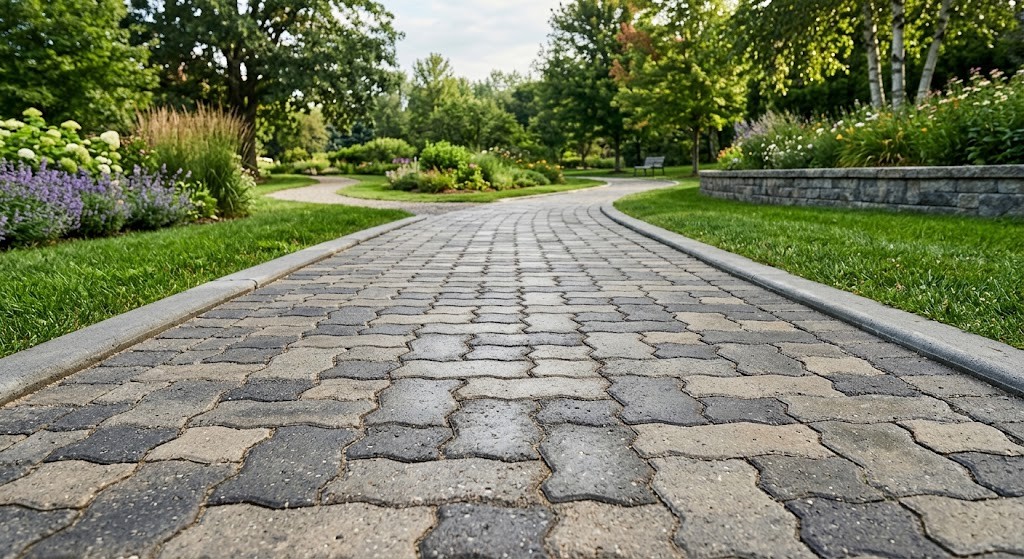



The Role of Interlock Stone Molds in Modern Ground Design
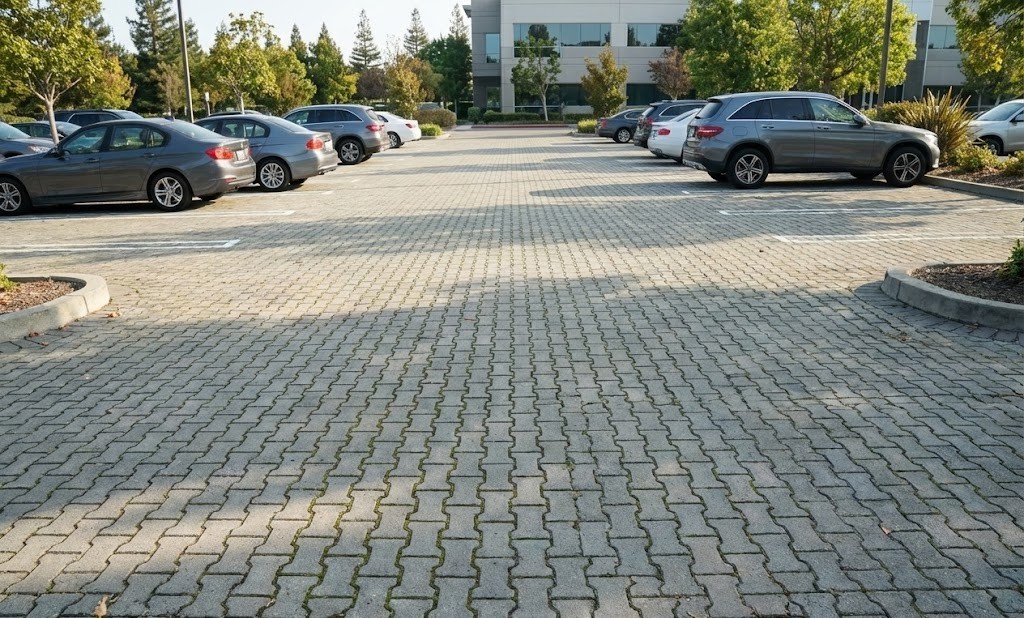
Interlock stone molds are an innovative construction element that combines durability, aesthetic integrity, and modular design flexibility in outdoor flooring applications. To ensure a natural transition within the first 100 words, the use of the keyword interlock stone molds is essential, as these systems have become increasingly preferred in landscape architecture, urban transformation projects, road paving applications, and residential site planning. Thanks to their interlocking structure, they balance horizontal loads, optimize water drainage, and maintain their form for many years, providing a sustainable infrastructure solution.
Why Do Interlock Stone Molds Provide Durable Ground Solutions?
Interlock stone molds provide durable ground solutions because their interlocking modular structure optimizes load distribution, minimizes stress on the surface, and ensures long-term stability. This creates a measurable performance advantage, especially in areas with heavy pedestrian or vehicle traffic. Concrete, polymer, composite, or rubber-based production alternatives offer resistance to various climatic conditions while increasing mechanical impact durability. Field tests show that interlocking paving systems exhibit approximately 30% fewer cracks compared to traditional poured concrete surfaces. This not only reduces maintenance costs but also helps preserve structural integrity over the long term.
Core Advantages of Interlocking Structure Mechanics
In interlocking systems, each stone engages with the adjacent ones, creating resistance against horizontal and vertical forces. This arrangement provides the following advantages:
-
Even distribution of loads across the stone surface,
-
Better tolerance of deformations caused by ground settlement,
-
Formation of natural micro-channels for water drainage,
-
Reduction of vibration and noise on the ground surface.
Effect of Material Properties on Performance
When high-density cement mortars, water-repellent additives, and polymer binders are used in the production of interlock stone molds, the compressive strength of the product can reach 45–55 MPa. This value offers superior performance compared to many traditional pavement components and creates a significant advantage in areas carrying heavy loads.
Application Details That Increase Durability
Incorrect installation can weaken even the highest-quality materials. In professional applications, durability increases significantly when the following steps are applied:
-
A 8–12 cm thick stabilized sub-base,
-
A 3–5 cm compacted sand bedding,
-
Final compaction using vibrating compaction machines.
Where Are Interlock Stone Molds Used?
Interlock stone molds are widely used in outdoor flooring applications, and their advantages vary depending on the application scenario. Understanding usage areas makes product selection easier and more accurate.
Urban Area Applications
Municipalities and urban planning departments frequently prefer interlock stone pavements because:
-
Stones can be easily removed and replaced during infrastructure works,
-
They provide a long-lasting and aesthetic appearance,
-
They reduce the heat-island effect and positively influence the urban microclimate.
Studies show that interlocked surfaces remain approximately 4–6°C cooler under the sun compared to poured concrete.
Residential Landscaping
They are one of the most preferred surfacing materials for site entrances, parking lots, walkways, and garden grounds. For residential projects, interlock designs offer:
-
Increased safety with anti-slip surface properties,
-
Harmonious integration with landscaping through varied colors and textures,
-
Minimal water pooling after rainfall.
Industrial Areas
For forklift pathways or logistics zones carrying heavy loads, higher-density stones are used. Field durability tests in such areas show that interlock stones can withstand up to 400 t/cm² of compressive load.
Open Parking Systems
In high-traffic parking areas, the stones’ slip resistance, modular structure, and easy renewability offer major advantages. In permeable ground systems, molds designed with drainage gaps assist in the natural return of water to the soil.
What Are the Design and Shape Options of Interlock Stone Molds?
Different shapes and textures of interlock stone molds enhance design freedom. Appearance, load-bearing capacity, and interlocking performance depend heavily on the chosen shape.
Most Popular Design Models
-
S-Type Interlock Stone: One of the most effective models for balancing load distribution.
-
Hexagonal Model: Preferred particularly in landscape design for its distinctive aesthetic.
-
Brick Form: Offers a classic appearance and allows easy installation in linear geometries.
-
Permeable Stone Models: Designed with special gaps to allow rainwater to infiltrate the ground rather than accumulate on the surface.
Texture and Surface Characteristics
Modern production technologies allow stone surfaces to closely resemble natural stone textures. Common texture types include:
-
Granite-textured impressions,
-
Anti-slip surface textures,
-
Smooth industrial surfaces.
A friction coefficient of around 0.7 on anti-slip surfaces ensures safe use even on wet ground.
Impact of Color Options on Design
UV-resistant pigments significantly reduce color fading. Outdoor tests show that high-quality pigments result in only 4–6% color loss after five years, whereas low-quality products may show up to 20% fading.
How Are Interlock Stone Molds Cast and Applied?
Interlock stone production relies on several critical steps that require precision. Mold quality, material ratios, and compaction techniques directly determine the stone’s performance.
Application Process Steps
-
Mold Preparation: Molds are lubricated and placed on the vibration table.
-
Mixing: Cement, aggregate, and water ratios are maintained at optimal levels; a low water–cement ratio enhances strength.
-
Vibration and Pressing: High compaction is applied under a mechanical press.
-
Curing Process: Stones remain in the mold for at least 24 hours, followed by up to 21 days of controlled curing.
-
Installation Stage: After leveling and compacting the ground, the stones are placed.
-
Interlocking and Joint Filling: Fine sand is spread over the surface to fill the joints completely.
When applied correctly, these steps ensure that stone performance aligns with laboratory results and long-term durability.
Common Mistakes in Application
-
Using an insufficiently compacted sub-base,
-
Installing stones from a single direction, weakening the interlock mechanism,
-
Using incorrect joint-filling material.
Such mistakes disrupt load distribution and can cause stones to shift over time.
Water Management and Drainage Performance in Interlock Stone Molds
Water management is a critical engineering factor in outdoor flooring systems. Interlock stone molds, especially in permeable surface designs, provide channels that support the natural return of water to the soil.
Advantages of Permeable Ground Systems
Water management is a critical engineering concept in outdoor flooring. Interlock stone molds—especially in permeable structural designs—provide channels that support the natural infiltration of water back into the ground.
-
Prevents water accumulation on the surface
-
Reduces sewer system load
-
Supports the renewal of underground water resources
-
Reduces ground movements during freeze–thaw cycles
Studies show that in areas using permeable stones, nearly 80% of rainwater infiltrates the soil without remaining on the surface.
Drainage Optimization in Non-Permeable Stones
In non-permeable models, drainage slope and groove design play a major role.
In professional applications, a 2% surface slope is applied, enabling controlled water discharge across the surface.
Technologies Used in Interlock Stone Mold Production
New-generation production technologies result in stronger, longer-lasting, and more aesthetic interlock elements. Automation in modern production lines reduces error margins significantly.
Advantages of Vibropress Technology
-
Homogeneous compaction
-
High dimensional accuracy
-
High strength with low water–cement ratio
-
High-speed production capacity
Thanks to this technology, daily production efficiency may increase by up to 40% compared to conventional methods.
Composite and Polymer-Reinforced Molds
Polymer-based durable molds are increasingly replacing metal or ABS molds. Polymer molds:
-
Are resistant to heat
-
Reduce breakage risk due to their flexibility
-
Offer a longer operational lifespan
Original Design Strategies with Interlock Stone Molds
Creating a design that fits the character of the application area provides both aesthetic and functional advantages.
Effect of Color and Texture Combinations
Using contrast in color transitions, forming guiding lines, or highlighting specific areas are practical methods.
Studies show that landscapes using two different textures demonstrate significantly improved visual perception.
Pattern Creation Techniques with Different Shapes
-
Herringbone layout offers high interlock strength for heavy-traffic conditions
-
Wave patterns create a sense of flow in large areas
-
Multi-geometry combinations are frequently applied in modern city squares
Criteria to Consider When Choosing Interlock Stone Molds
Selecting the right mold directly influences performance and reduces issues after installation.
Technical Criteria
-
Density and compressive strength values
-
Water absorption rate (ideal 6–8%)
-
UV resistance
-
Precision of edge cutting
-
Mold wall thickness and flexibility
Aesthetic Criteria
-
Compatibility with project design
-
Long-term color stability
-
Texture selection
-
Surface depth for designs requiring natural-stone appearance
Ease of Application
Ensuring smooth edge alignment in modular stones shortens installation time.
Field studies show that paving speed increases by up to 15% with uniform-edged stones.
Comparative Design Table for Interlock Stone Molds
A reference table comparing different characteristics of interlock molds under general design criteria:
|
Category |
Feature |
Advantage |
|
Structural Design |
Interlocking Geometry |
Improved load distribution |
|
Material |
Concrete / Composite |
High compressive strength |
|
Aesthetics |
Color–Texture Options |
Enhanced visual harmony |
|
Application |
Modular System |
Fast installation & easy repair |
|
Environmental |
Permeable Models |
Effective rainwater management |
Maintenance and Long-Life Strategies in Interlock Stone Molds
Ensuring a durable surface is as important as achieving long-term performance. High-traffic zones require specific maintenance procedures.
Regular Inspections
-
Periodic compaction to prevent edge stones from shifting
-
Adding joint sand when it diminishes
-
Using proper cleaners to remove stains on the surface
Surface Protective Coatings
Water-repellent coatings increase surface resistance against oil and dirt. These coatings typically last 2–3 years and can be renewed easily.
Measures Against Freeze–Thaw Cycles
In cold climates, stones with low water absorption should be chosen. Tests prove that models with less than 5% water absorption are significantly more resistant to freeze damage.
The Future of Interlock Stone Molds and Innovative Approaches
New generation ground technologies are making interlock stone systems smarter, more eco-friendly, and more efficient. Sensor-based infrastructures, LED-integrated modules, and temperature-controlled surfaces are increasingly becoming part of landscape and urban designs.
Smart Ground Systems
Some manufacturers are developing systems with sensors placed beneath the stones to measure temperature, humidity, and load. These data sets offer major advantages for urban planning strategies.
Eco-Friendly Materials
Reinforced mold systems produced from recycled plastic and rubber provide a sustainable alternative with lower carbon footprint. Their flexibility also makes them more successful in impact absorption.
Lightweight and Modular New Forms
Composite stones—up to 40% lighter than traditional concrete—reduce labor time and transport costs. Such lightweight models are increasingly preferred in garden and residential applications.
Strategic Recommendations for Installers
Professional outcomes require proper material choices and correct installation techniques. Long-term field observations show that the following applications significantly improve success:
-
Maintaining sub-base compaction at minimum 95% Proctor
-
Selecting appropriate stone thickness based on project scale (8 cm+ for heavy traffic)
-
Securely fixing edge curbs
-
Using washed dry river sand for joint filling
-
Designing drainage infrastructure aligned with surface slope
These techniques allow interlock surfaces to remain stable and functional for 20–30 years.
Approaches That Combine Aesthetics and Functionality in Design
On interlock surfaces, aesthetic quality is just as important as durability. When color harmony, texture variation, and pattern consistency are ensured, the flooring becomes both architecturally and functionally strong.
Creating directional guides or zoned areas with different textures enhances user experience in large-scale outdoor designs.
When proper materials, professional application, and long-term maintenance combine, interlock flooring systems offer durability and visual quality beyond modern infrastructure standards — ensuring that these systems continue to be widely used for many years.
Design, Maintenance, and Long-Term Performance Insights
Experienced ground designers emphasize the importance of evaluating both technical and aesthetic parameters. When ground mechanics, drainage principles, traffic loads, and visual coherence are considered together, projects evolve into high-value, durable infrastructure components.
Interlock systems’ modular design also provides major advantages in maintenance and repair. Damaged areas can be removed and reinstated quickly, saving time and cost — especially vital in urban zones with frequent underground work.
Surfaces built with interlock molds retain their aesthetic quality when the proper maintenance routine is followed. Field observations show that areas adhering to systematic maintenance protocols experience surface deterioration reduced by up to 60%.
With advances in production technology and new mold designs, aesthetic diversity grows yearly. Expanded color palettes, deeper natural-stone-like textures, and improved pattern-forming techniques provide designers with broader creative freedom.
As eco-friendly urban planning expands, permeable interlock models are gaining increased importance. These systems support the natural water cycle, reduce the urban heat-island effect, and contribute to groundwater renewal.
Sub-base geometry and compaction density must never be overlooked in professional installations. A properly compacted support layer minimizes lateral movement and allows optimal interlock performance. This prevents cracking, swelling, and settlement-related irregularities — all crucial for long-term performance.
Interlock systems also offer significant advantages in repair processes due to their modular structure. Fast removal and reinstalling of damaged sections minimize disruptions in urban environments and ensure smooth operation for users.
For designers seeking durable, aesthetic, and functional outdoor surfaces, interlock stone molds offer a powerful and versatile solution. When planning, professional installation, and ongoing maintenance are combined correctly, interlock flooring delivers durability and aesthetic value that exceed contemporary infrastructure standards.