



How Hollow Block Mold Works: A Comprehensive Guide
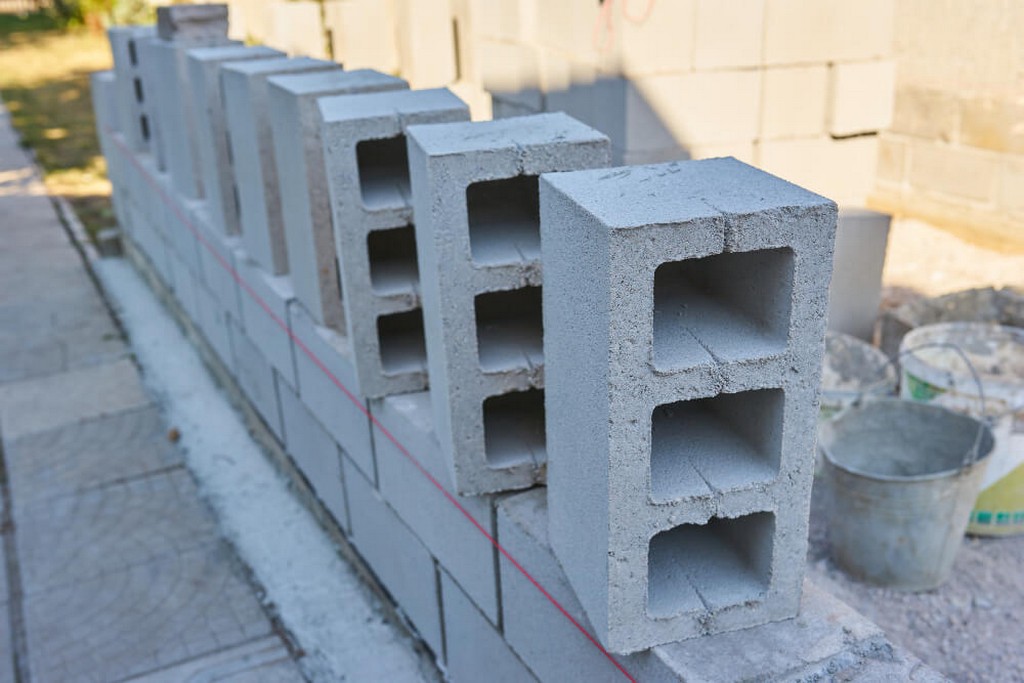
In today’s construction industry, efficiency and precision are everything. Among the essential tools that make modern building possible, the hollow block mold stands out as a key component in concrete block production. It determines not only the size and shape of the block but also its overall strength, durability, and quality. Understanding how a hollow block mold works is crucial for anyone involved in block manufacturing—whether you’re an engineer, factory owner, or construction professional. This guide takes you step by step through its working process, main components, and the technologies that ensure consistent, high-quality results.
Understanding the Concept of Hollow Block Mold
In modern construction, the demand for efficient, cost-effective, and sustainable building materials continues to grow. One of the most widely used materials in this context is the hollow concrete block, and at the heart of its production lies the hollow block mold. This mold determines the size, shape, and structural strength of each block produced. Understanding how a hollow block mold works helps manufacturers optimize quality, reduce material waste, and ensure consistency across production batches.
A hollow block mold is essentially a specially designed steel or cast iron form used within a block making machine. Its purpose is to shape a mixture of cement, sand, and aggregates into uniform hollow blocks. The mold not only defines the outer dimensions but also creates the characteristic cavities—or “hollows”—that improve thermal insulation and reduce the block’s weight.
The working mechanism of a hollow block mold combines mechanical vibration, compression, and precise mold design. Together, these elements transform raw materials into dense, durable, and dimensionally accurate building blocks.
Components of a Hollow Block Mold
Before understanding how it works, it’s essential to know the key parts that make up a hollow block mold. Each component plays a unique role in shaping and compacting the material.
Mold Frame
The frame provides structural support to the entire mold assembly. It’s made of high-strength steel to withstand the repeated vibrations and compressive forces during block formation.
Core Inserts
These are the hollow-shaped steel inserts that create the cavities inside each block. The shape, size, and number of cores determine the final block configuration—whether it’s a standard two-hole block, three-hole block, or customized design.
Mold Plate
This plate acts as the base or top of the mold during the filling and compaction process. It ensures the block’s surface is smooth and properly aligned.
Vibrating Mechanism
Attached beneath or around the mold, the vibration system helps compact the concrete mix evenly. It eliminates air gaps and ensures high density, which directly affects block strength.
Feeding System
This system delivers the wet concrete mix into the mold cavity. In automated machines, it’s synchronized with the vibration and pressing cycle for maximum efficiency.
Ejector or Demolding System
After the compaction process, the ejector mechanism gently releases the finished block from the mold, ensuring no damage to its edges or structure.
How Hollow Block Mold Works Step by Step
The operation of a hollow block mold follows a systematic sequence of steps, from feeding the raw mix to ejecting the finished block. Let’s explore this process in detail.
Step 1: Feeding the Concrete Mix
The production process starts by feeding a precise mix of cement, sand, aggregates, and water into the mold cavity. The mixture’s consistency must be semi-dry to allow easy compaction and to prevent deformation during demolding. Automatic machines often use a controlled feeding system to distribute the mix uniformly.
Step 2: Vibration and Compaction
Once the mold is filled, the machine activates its vibration system. The combination of mechanical vibration and downward pressure compacts the material tightly around the core inserts. This step is critical for achieving high block strength, uniform texture, and accurate dimensions.
The vibration frequency and duration vary depending on the mold design and mix type. Over-vibration can cause cracks, while under-vibration leads to poor density. Skilled operators monitor these parameters closely.
Step 3: Pressure Application
After initial vibration, hydraulic or mechanical pressure is applied to the mold. This step ensures that all air pockets are eliminated and that the mix conforms tightly to the mold’s internal surfaces. The applied pressure also improves the block’s durability and load-bearing capacity.
Step 4: Demolding
Once compaction is complete, the mold opens or lifts, allowing the ejector system to release the block. The fresh block retains its shape because the mix was semi-dry. It’s then transferred to a curing area where it hardens and gains strength.
Step 5: Curing and Quality Check
Curing is a vital post-production stage. Typically, blocks are kept under controlled moisture for 7 to 28 days. Proper curing enhances compressive strength, reduces cracks, and improves overall block performance. After curing, blocks undergo a quality inspection for dimensions, surface finish, and density.
Factors That Affect Hollow Block Mold Performance
The efficiency and quality of the molding process depend on several technical and operational factors.
-
Material Mix Ratio: The right proportion of cement, sand, and aggregates determines the moldability of the mix. A poor ratio can cause block cracking, uneven compaction, or difficulty during demolding.
-
Mold Design and Maintenance: A precise, well-machined mold ensures consistent block shapes and easy release. Regular cleaning and lubrication prevent build-up of hardened mix, extending mold lifespan.
-
Vibration Frequency and Duration: Different block sizes require different vibration intensities. Fine-tuning these settings ensures uniform density and prevents defects.
-
Ambient Conditions: Temperature and humidity influence how quickly blocks set and cure. Factories often use controlled environments to maintain product uniformity.
-
Machine Compatibility: Every hollow block mold must fit perfectly into its machine’s mold carriage. Even minor alignment errors can affect vibration efficiency or cause mechanical wear.
Benefits of Using a High-Quality Hollow Block Mold
The mold is the heart of any block making system. Investing in high-quality molds brings numerous benefits to both small-scale and industrial manufacturers.
-
Dimensional Accuracy: Precision-engineered molds ensure every block meets standard size requirements.
-
Durability: Hardened steel molds withstand thousands of production cycles with minimal wear.
-
Smooth Surface Finish: Proper mold polishing reduces roughness and improves block aesthetics.
-
Reduced Waste: Efficient compaction minimizes leftover mix and energy consumption.
-
Customizability: Molds can be designed for different block types such as interlocking, decorative, or lightweight variants.
Types of Hollow Block Molds
Depending on production needs and block design, manufacturers can choose from several mold types.
-
Standard Hollow Block Mold: Used for producing two or three-cavity standard blocks commonly used in walls and partitions.
-
Interlocking Block Mold: Creates blocks that fit together without mortar, ideal for fast and eco-friendly construction.
-
Paver Block Mold: Designed for pavement blocks with decorative patterns and textures.
-
Customized Mold: Tailor-made molds for unique shapes, ventilation blocks, or branding purposes.
Common Issues and Maintenance Tips
Even the most advanced hollow block mold requires regular care to maintain performance.
Frequent Issues
-
Uneven block density
-
Cracked or chipped edges
-
Difficulty in demolding
-
Excessive vibration noise
Maintenance Best Practices
-
Clean the mold after each production cycle.
-
Check alignment and core insert tightness regularly.
-
Apply anti-rust oil to prevent corrosion.
-
Avoid dropping or striking the mold during installation.
Proper maintenance not only extends mold life but also ensures consistent product quality and machine efficiency.
Innovations in Hollow Block Mold Technology
Recent advancements have improved both the productivity and sustainability of block manufacturing. Some key innovations include:
-
Modular Mold Systems: Allow quick replacement of parts instead of the entire mold.
-
Surface Hardening Treatments: Increase resistance to abrasion and wear.
-
Computer-Aided Design (CAD): Enables precise mold geometry and reduced human error.
-
Automation Integration: Synchronizes mold operation with robotic arms and AI-driven quality control.
Such innovations reduce downtime, improve precision, and align with modern industry standards for smart manufacturing.
The hollow block mold plays a vital role in shaping the future of modern construction. Its precision engineering, combined with controlled vibration and pressure, allows manufacturers to produce uniform, durable, and cost-efficient building materials. Whether used in manual setups or fully automated plants, the mold’s performance directly influences productivity, material savings, and overall block quality.
By understanding how it works and maintaining it properly, manufacturers can ensure long-term reliability and superior results—block after block.